
ABOUT
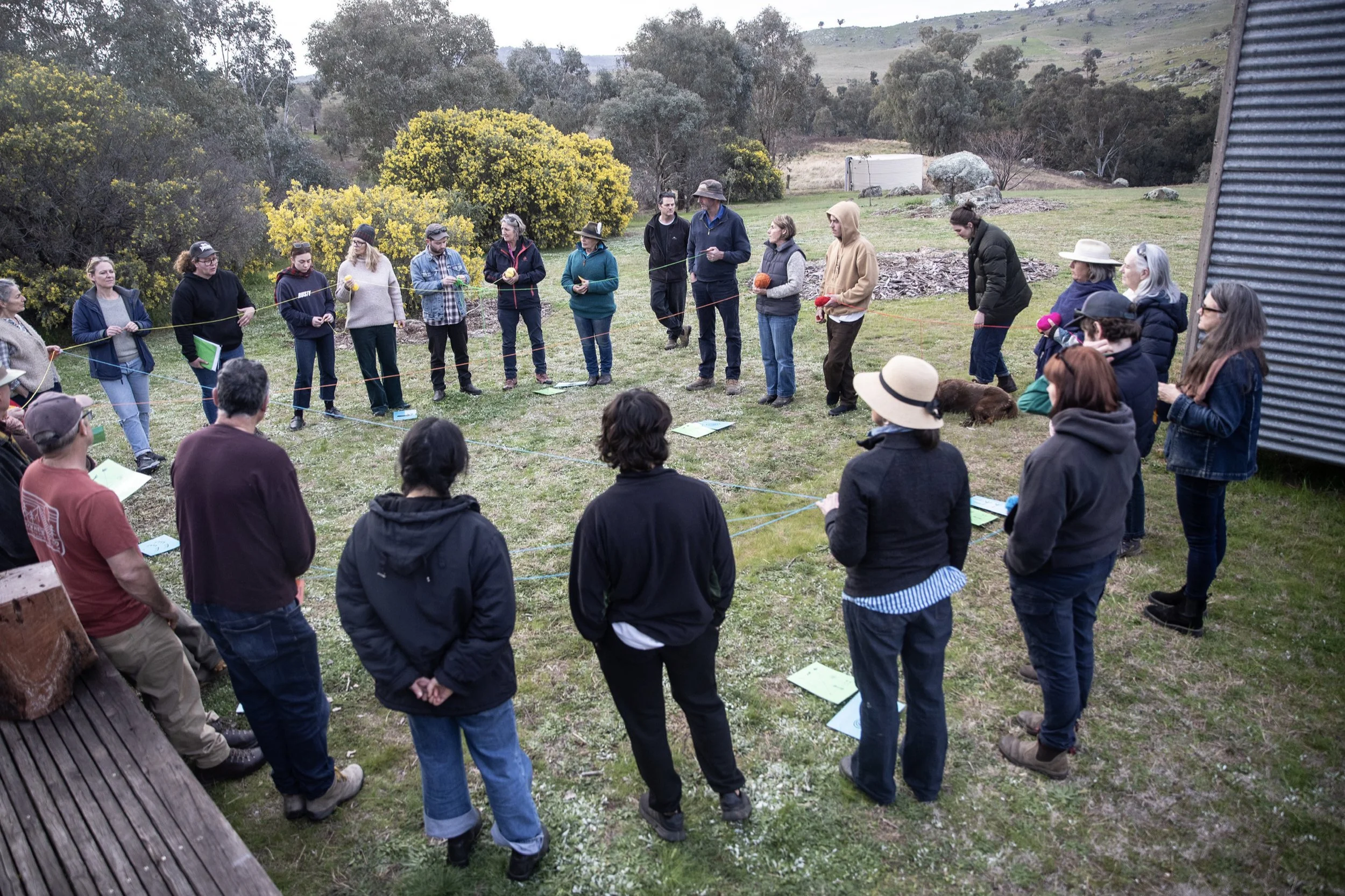
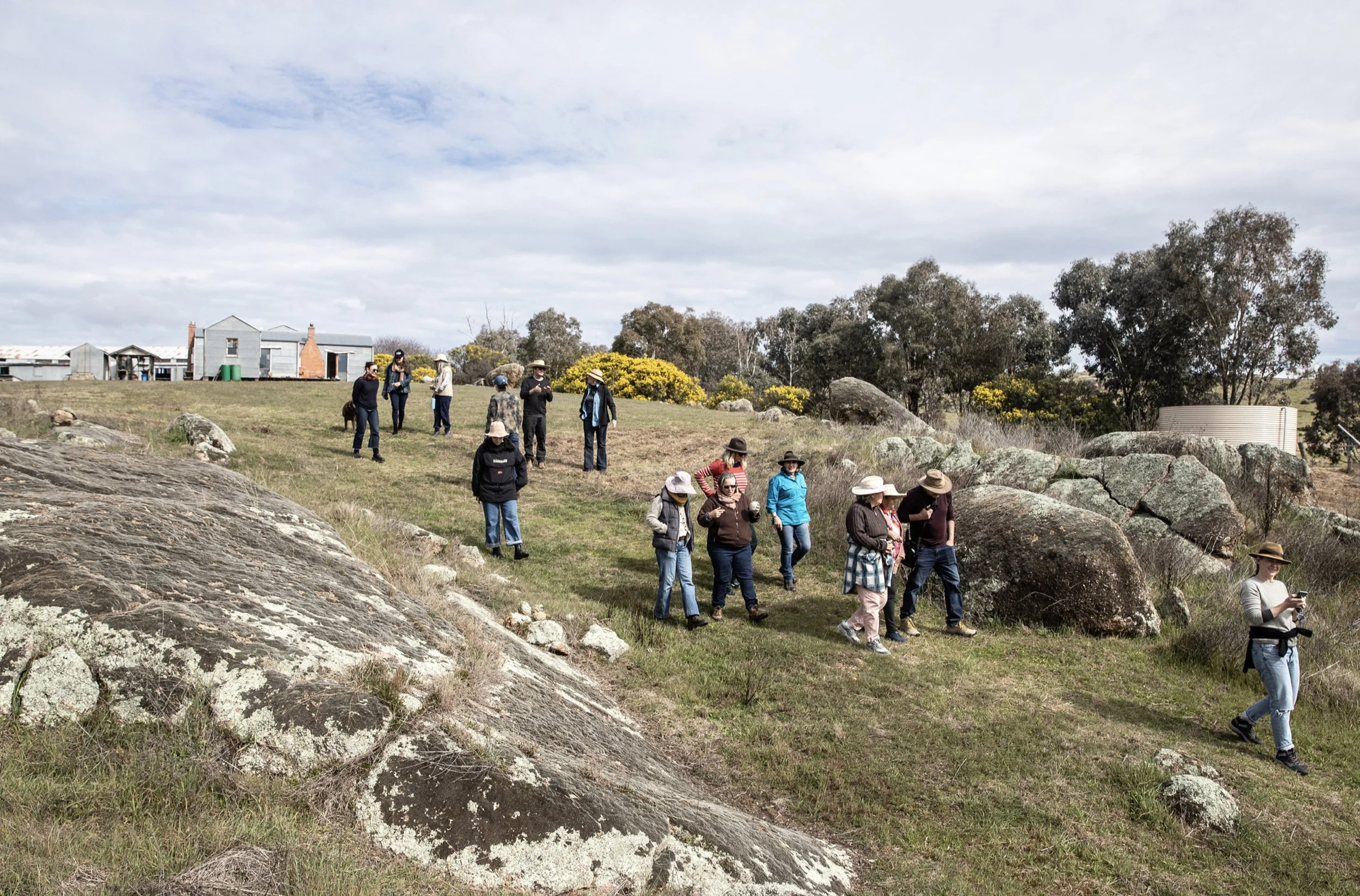
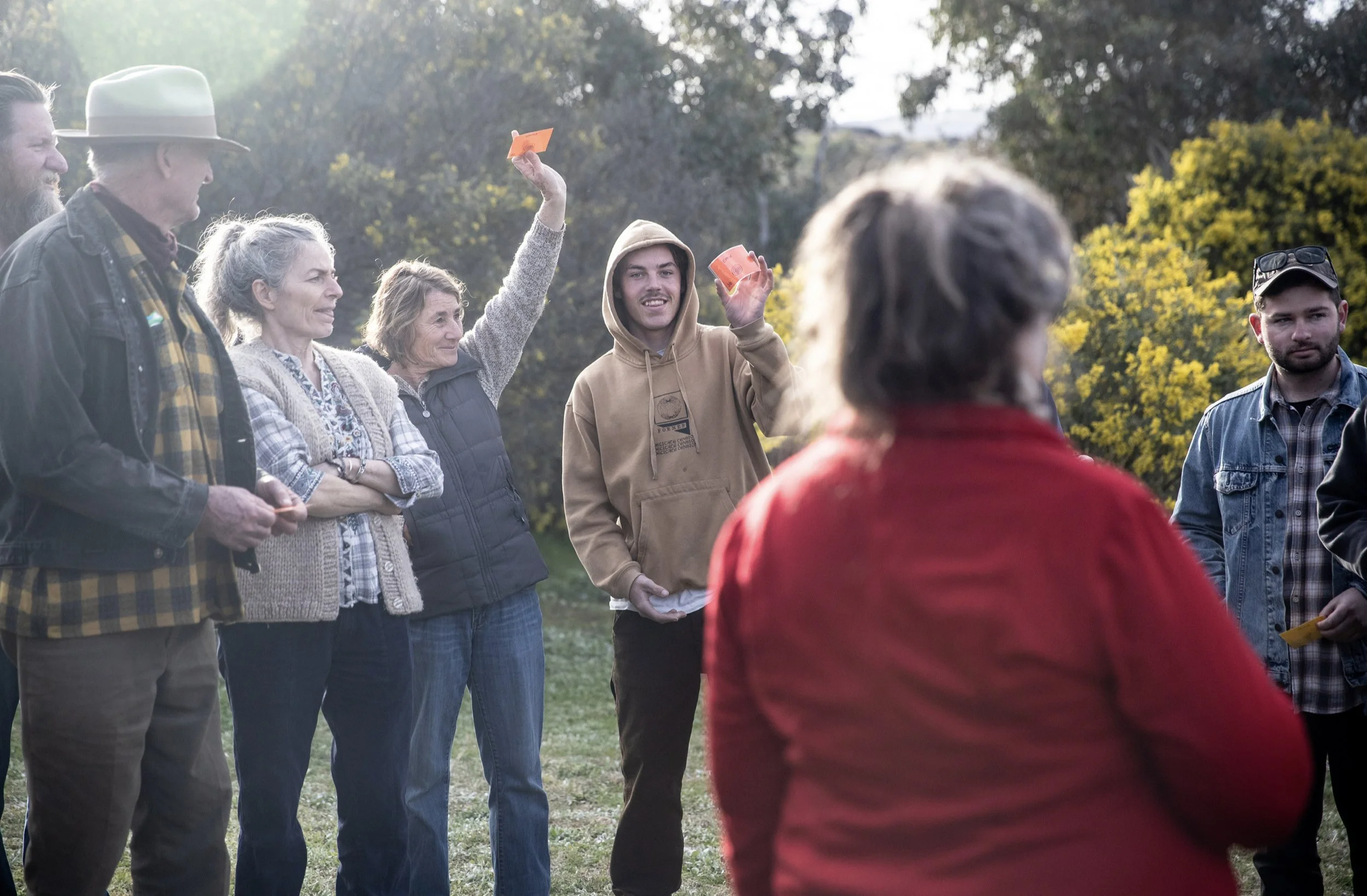
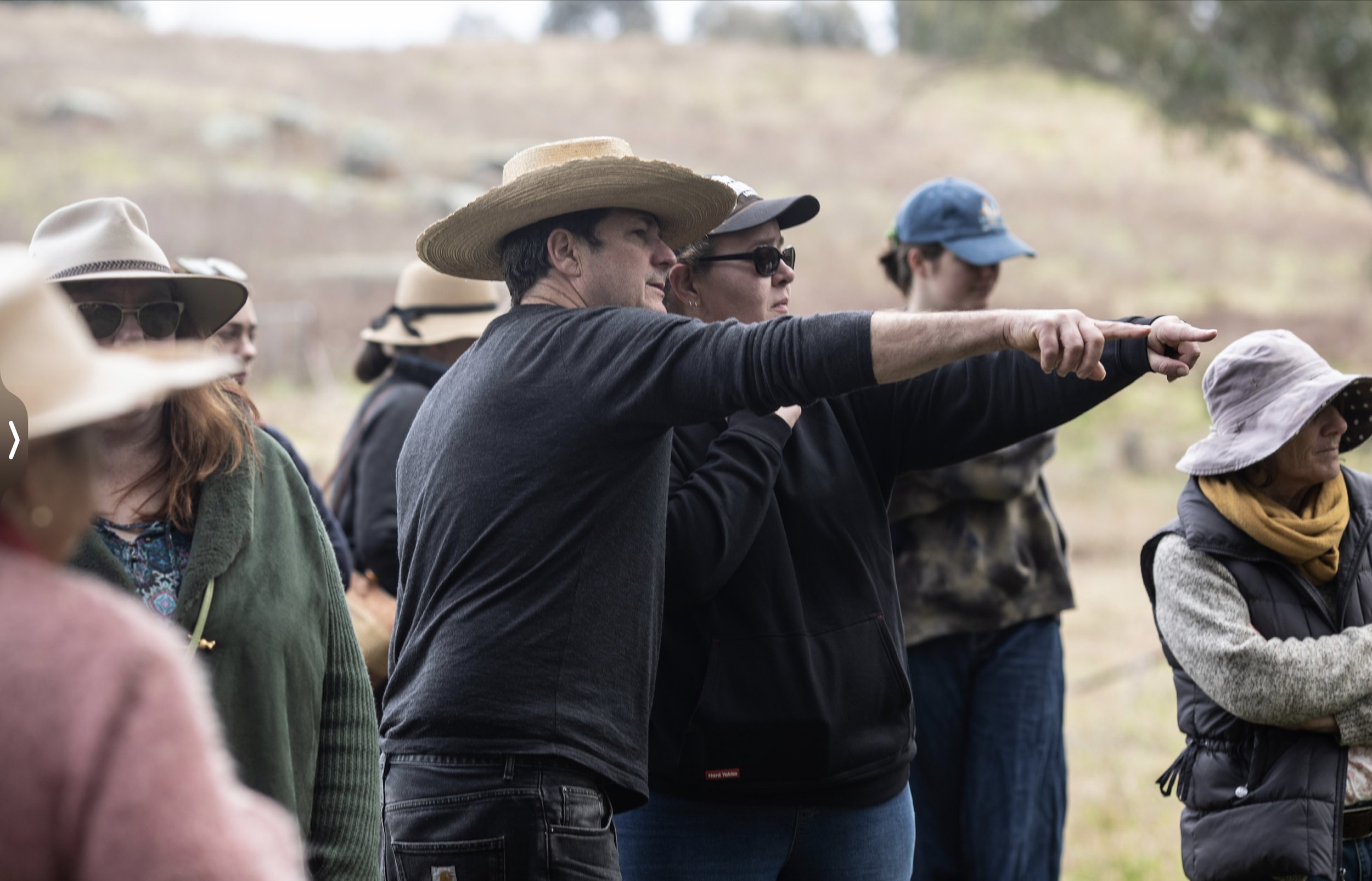
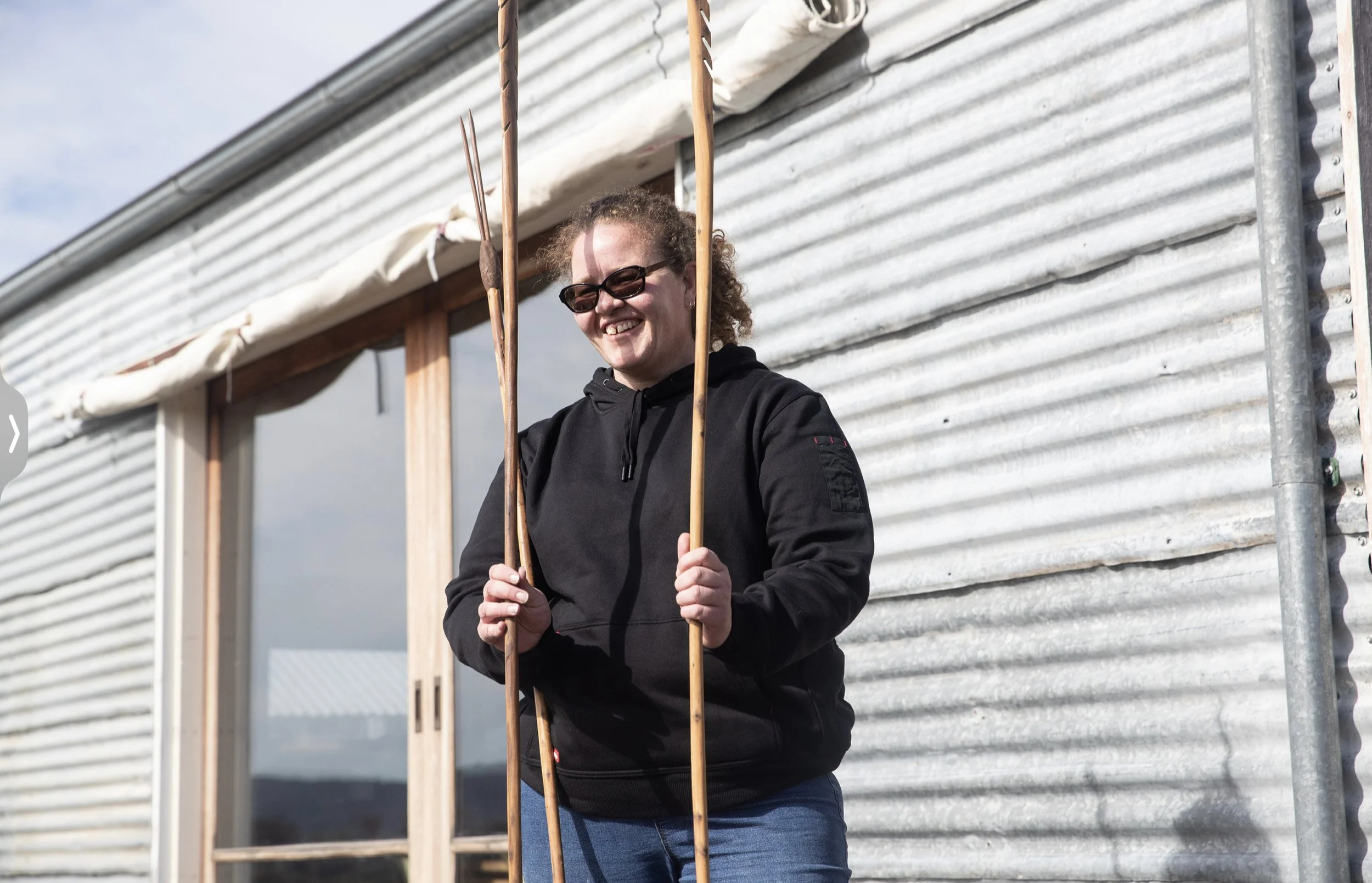
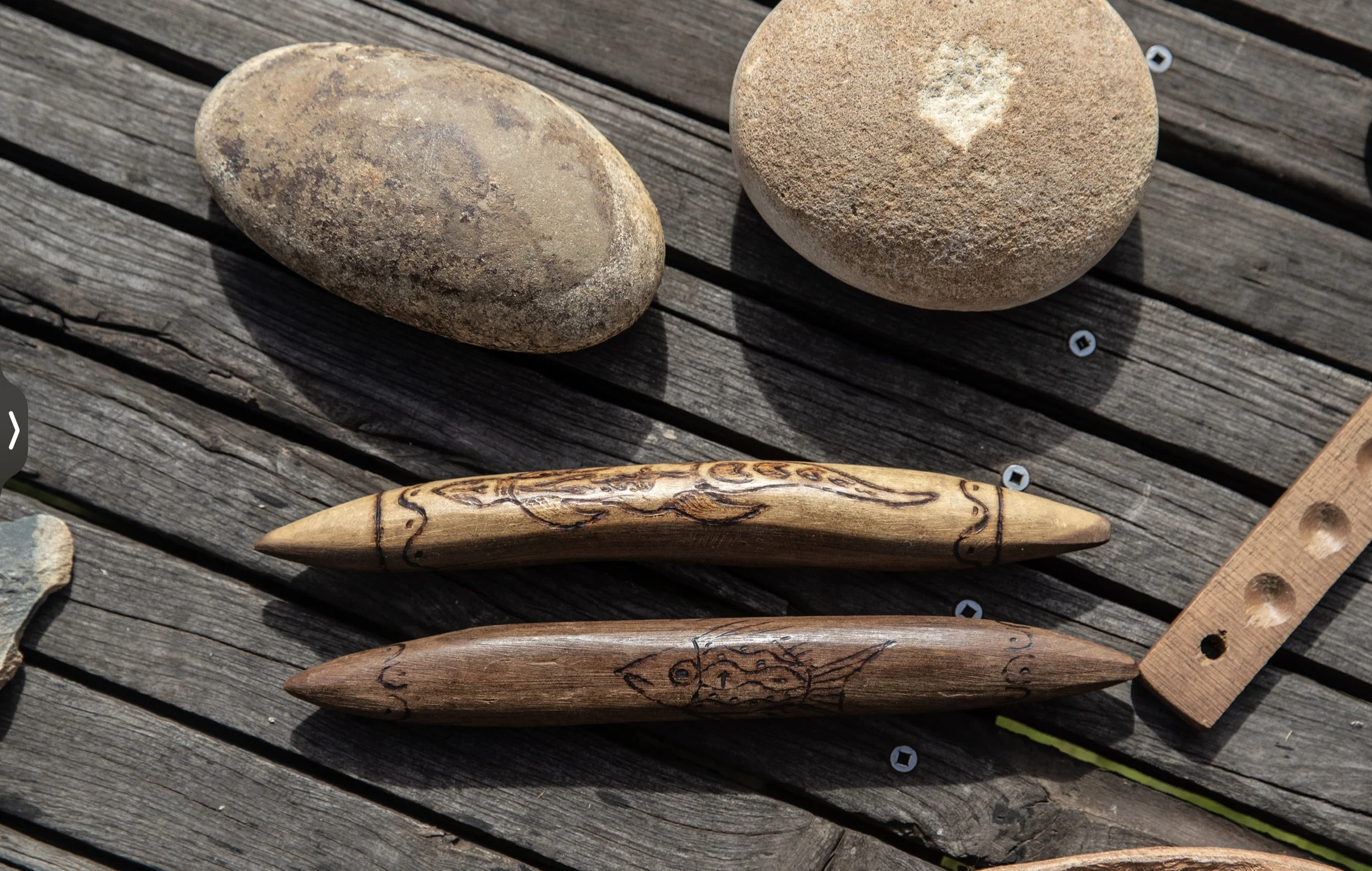
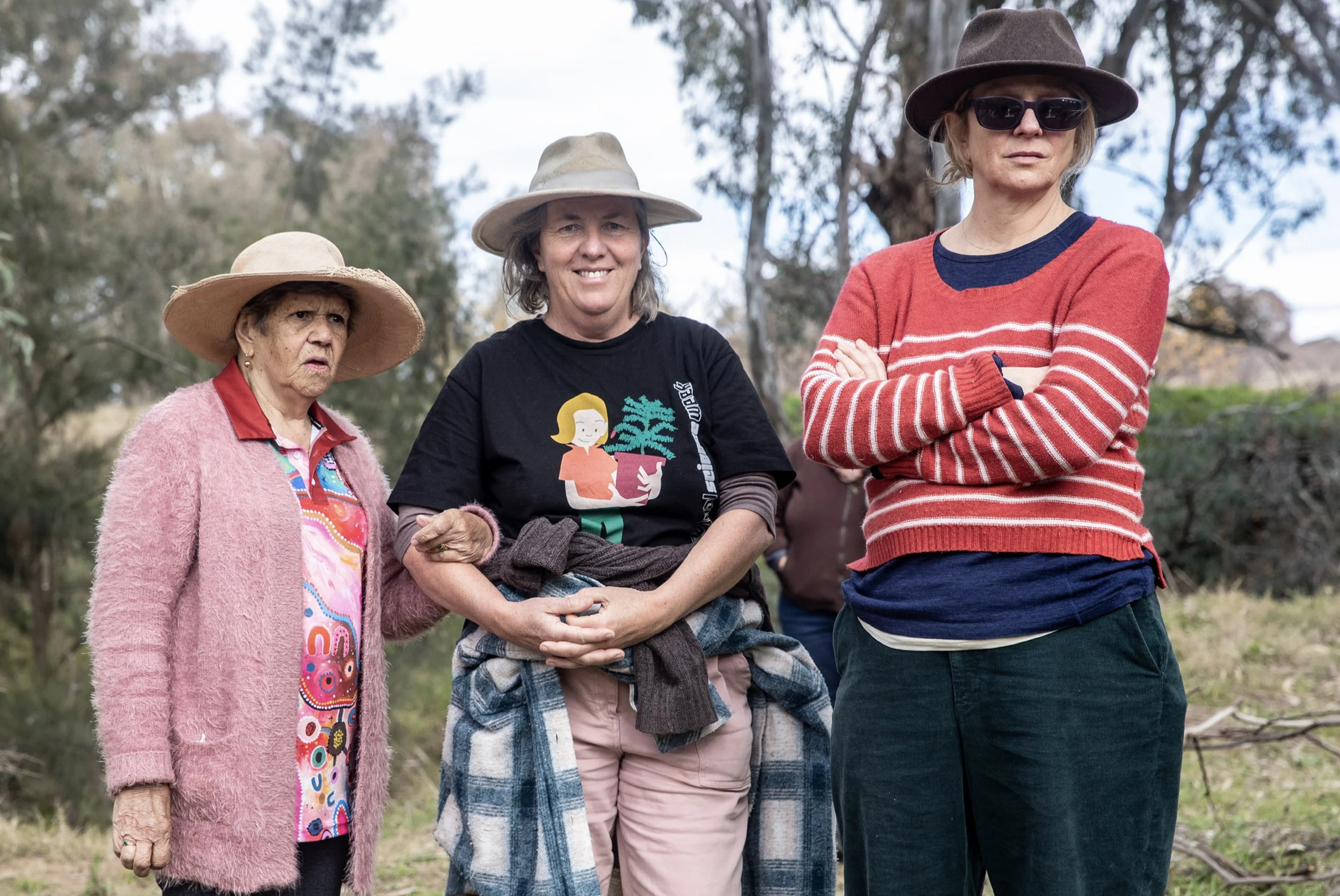
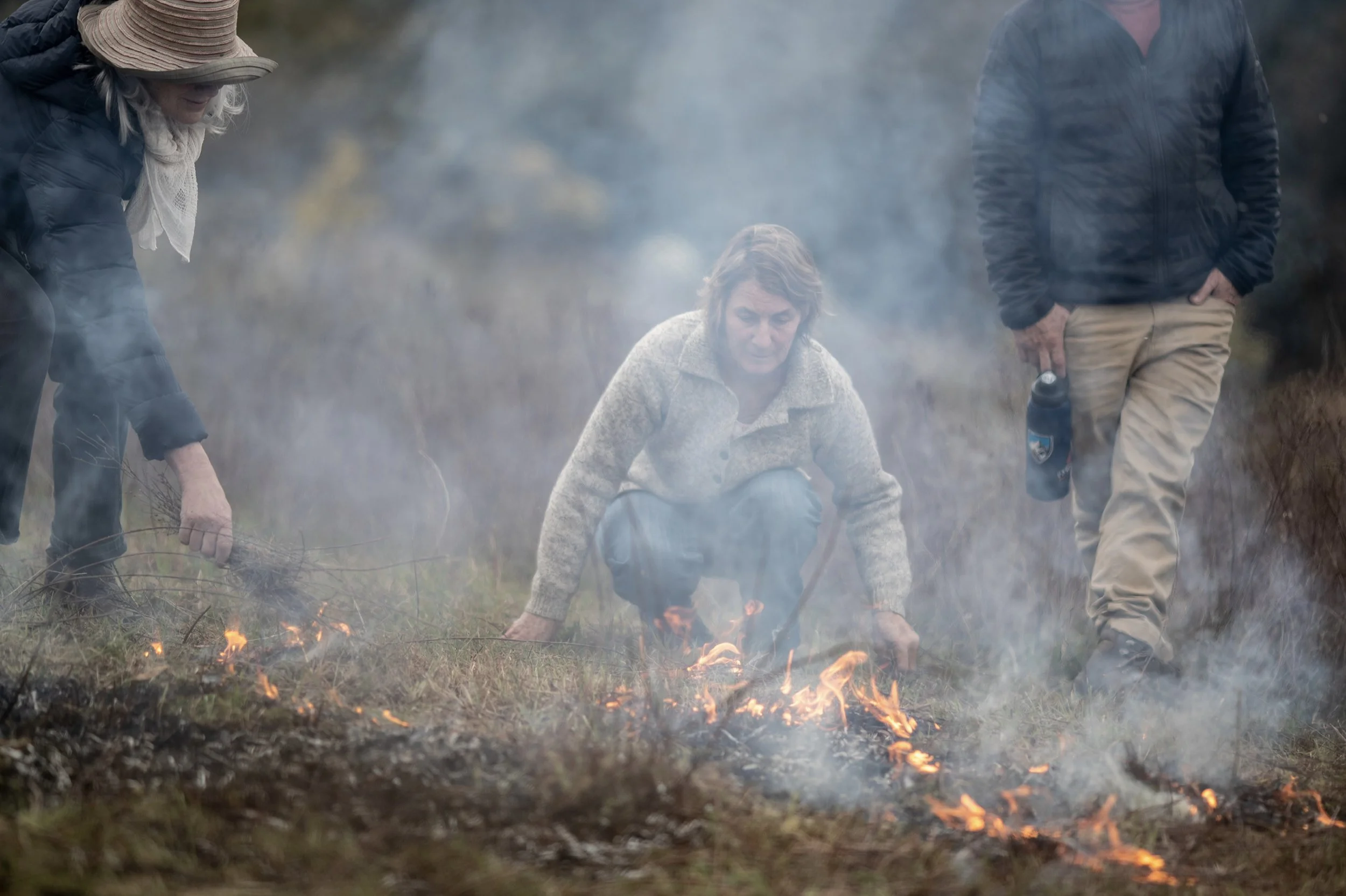
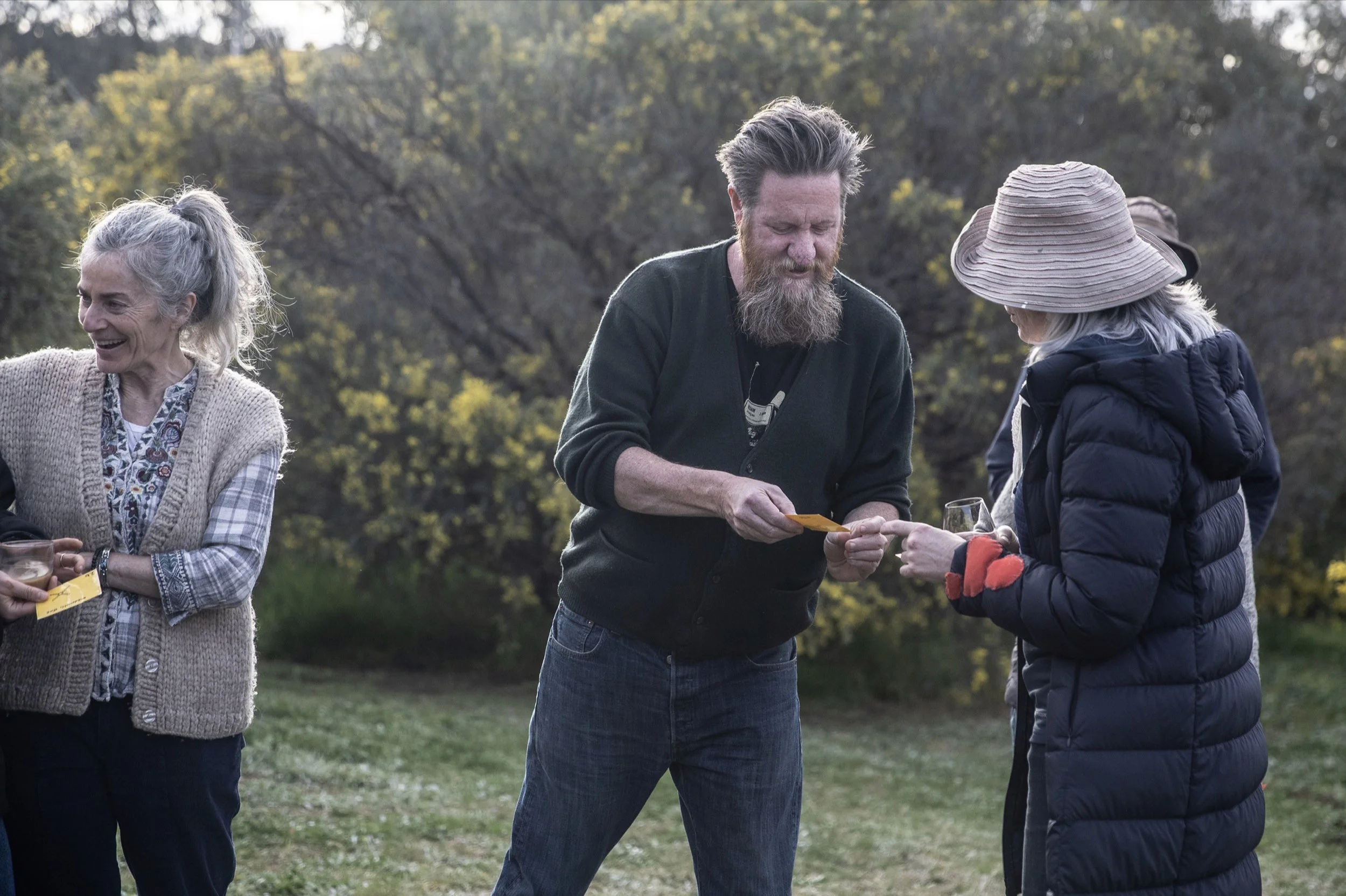
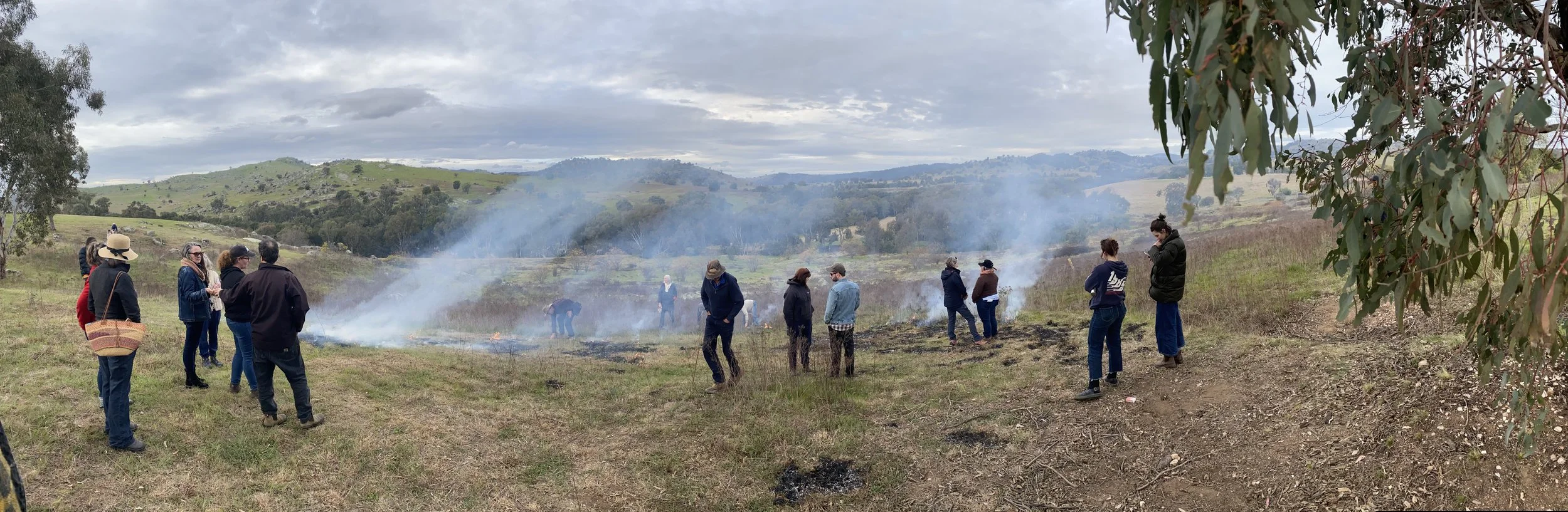
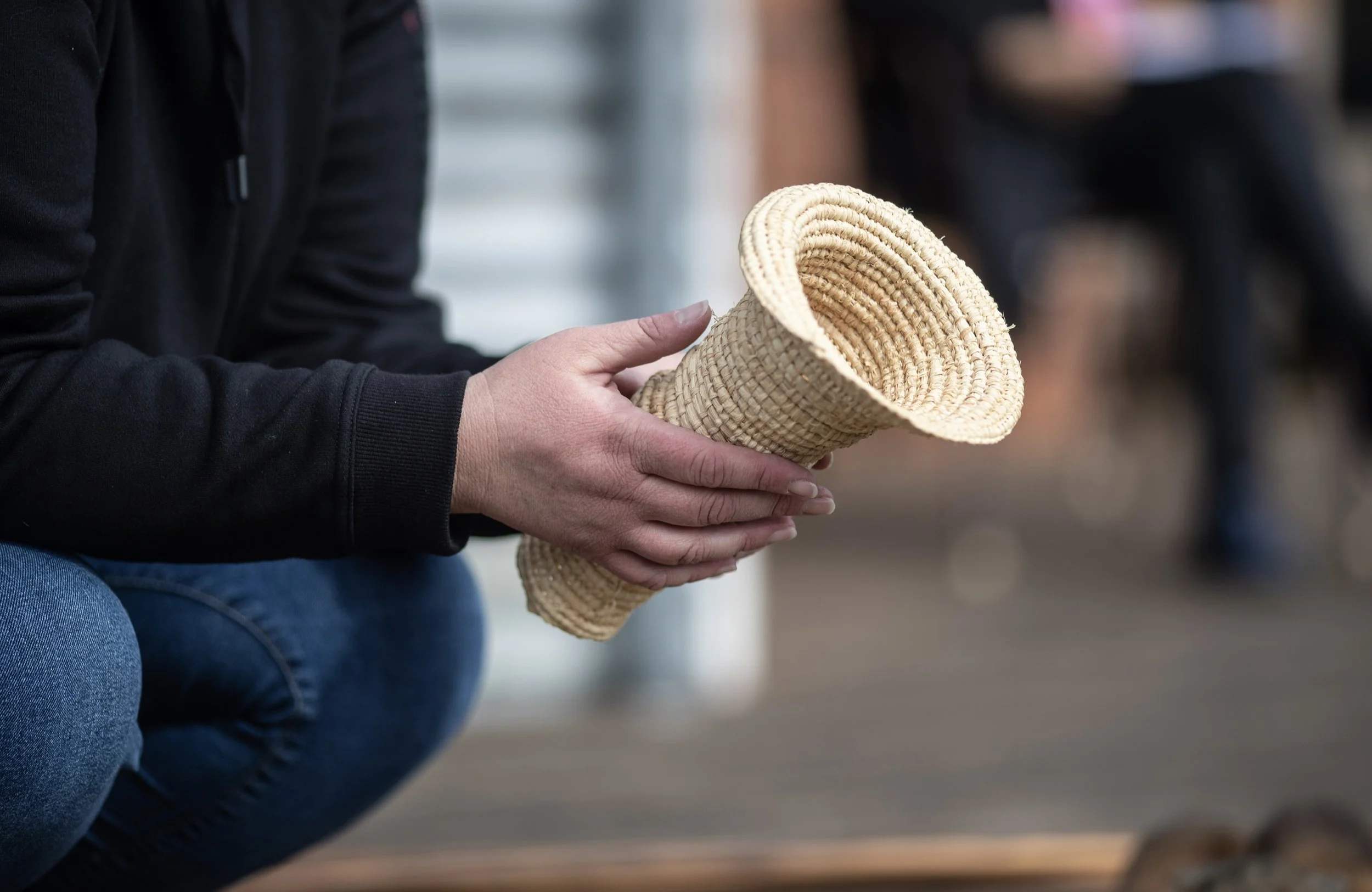
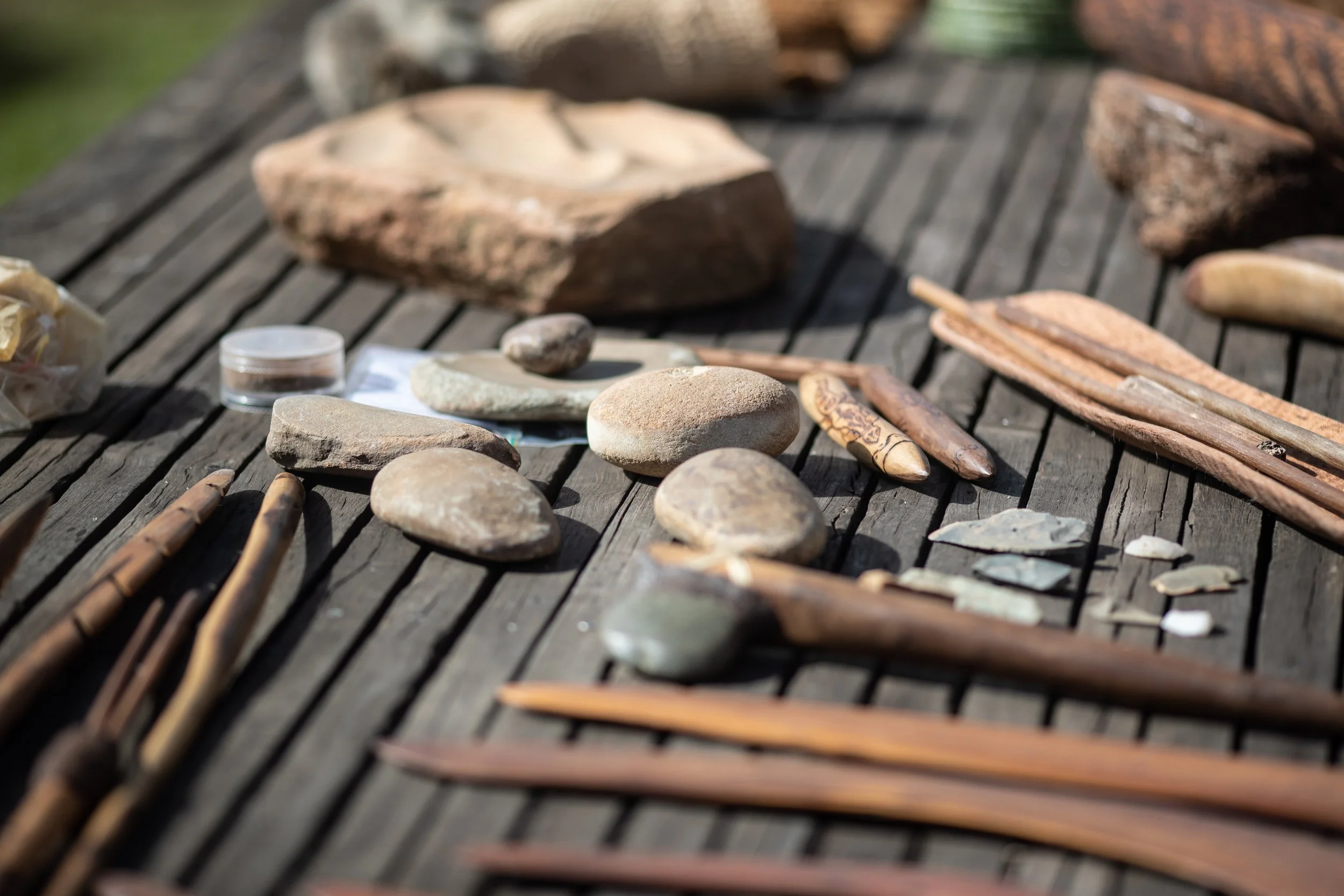
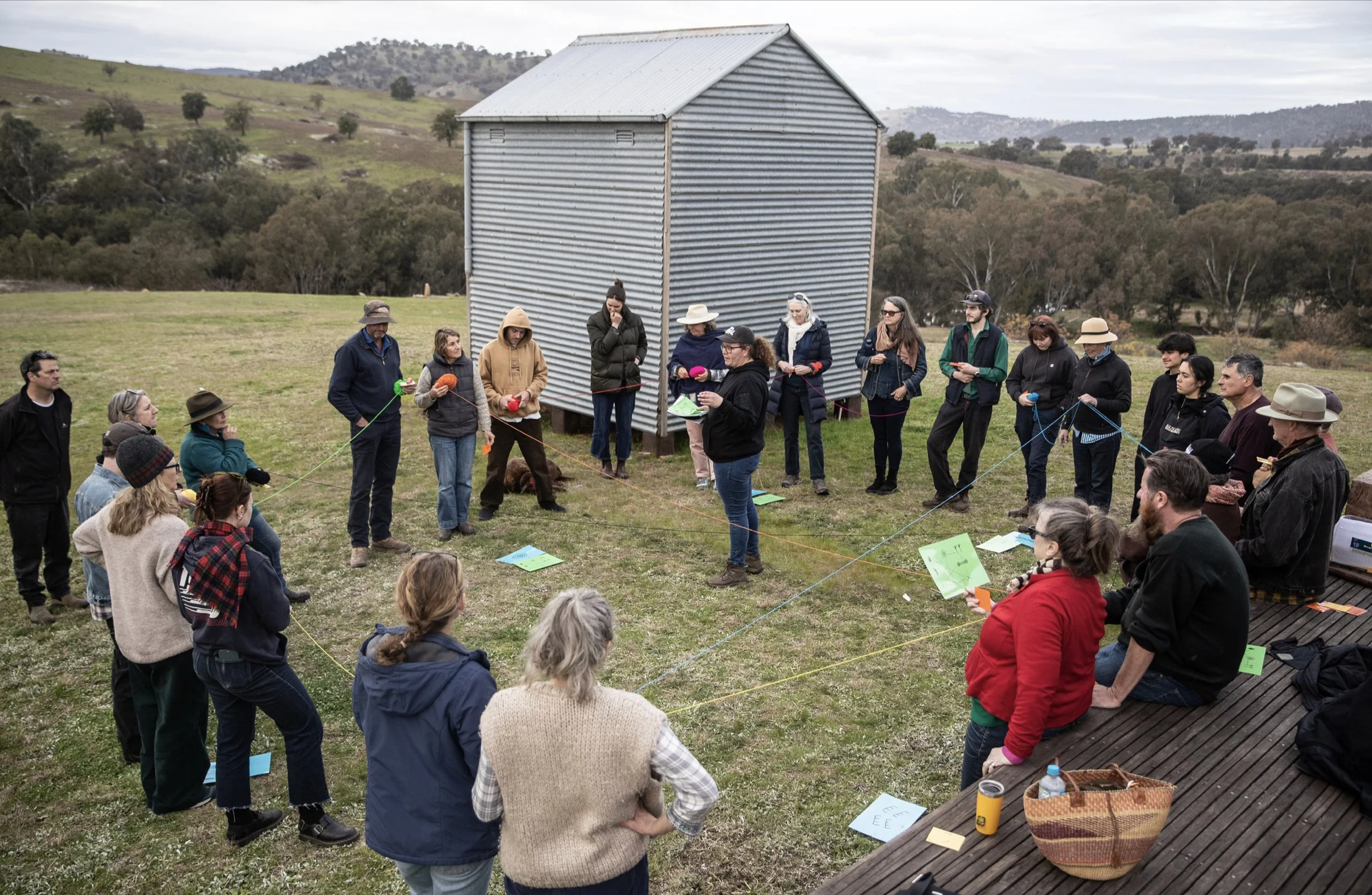
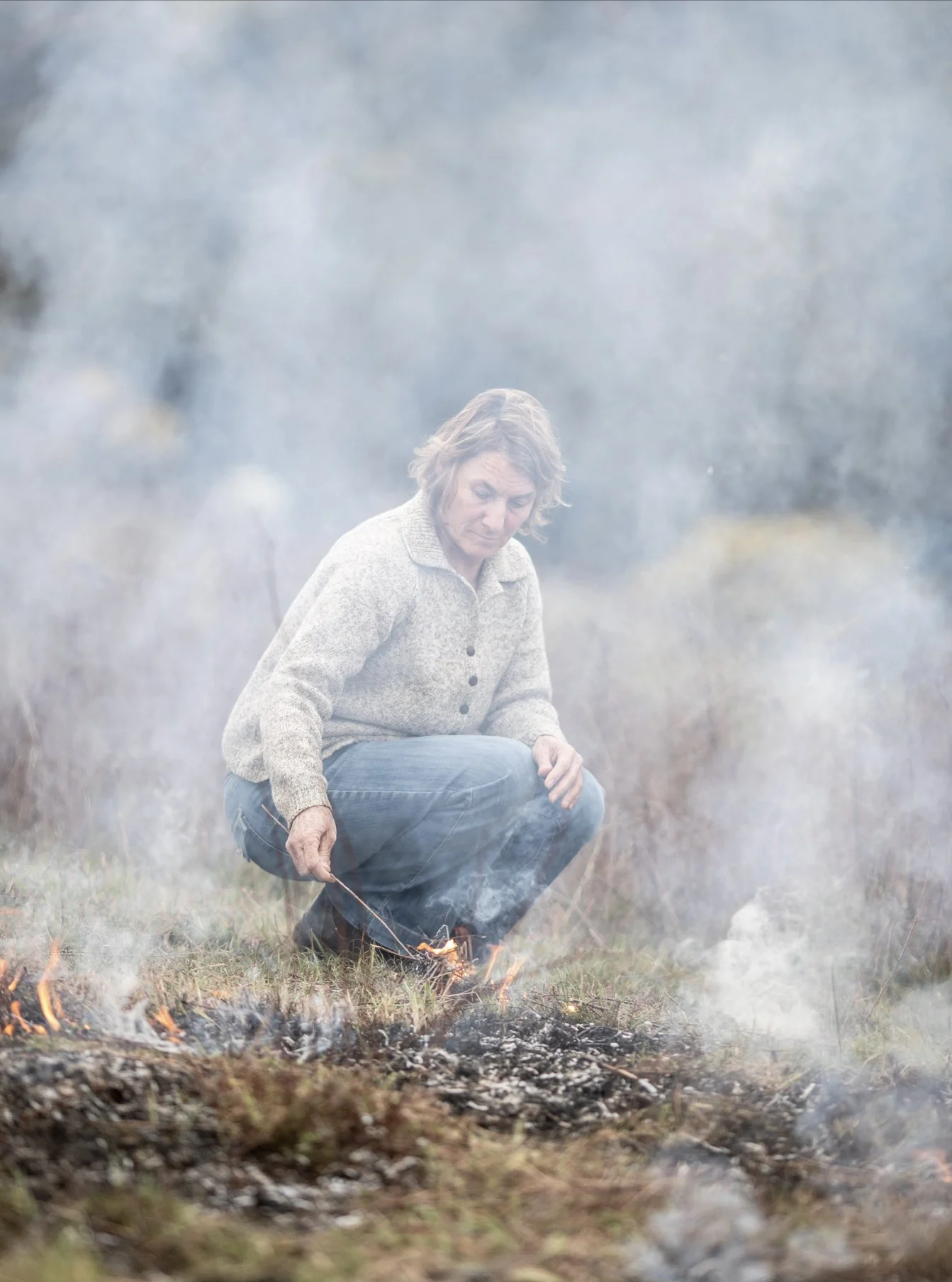
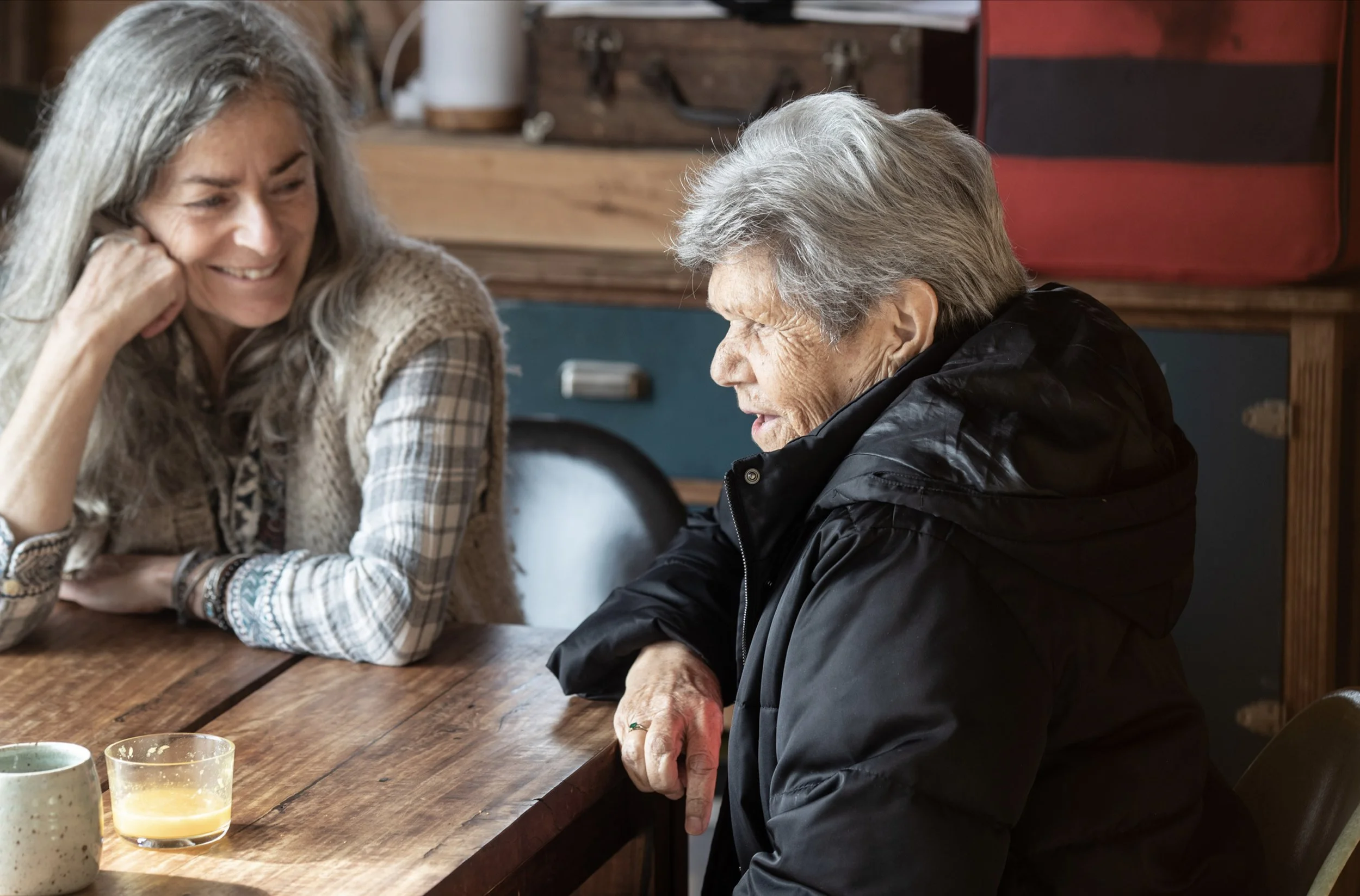
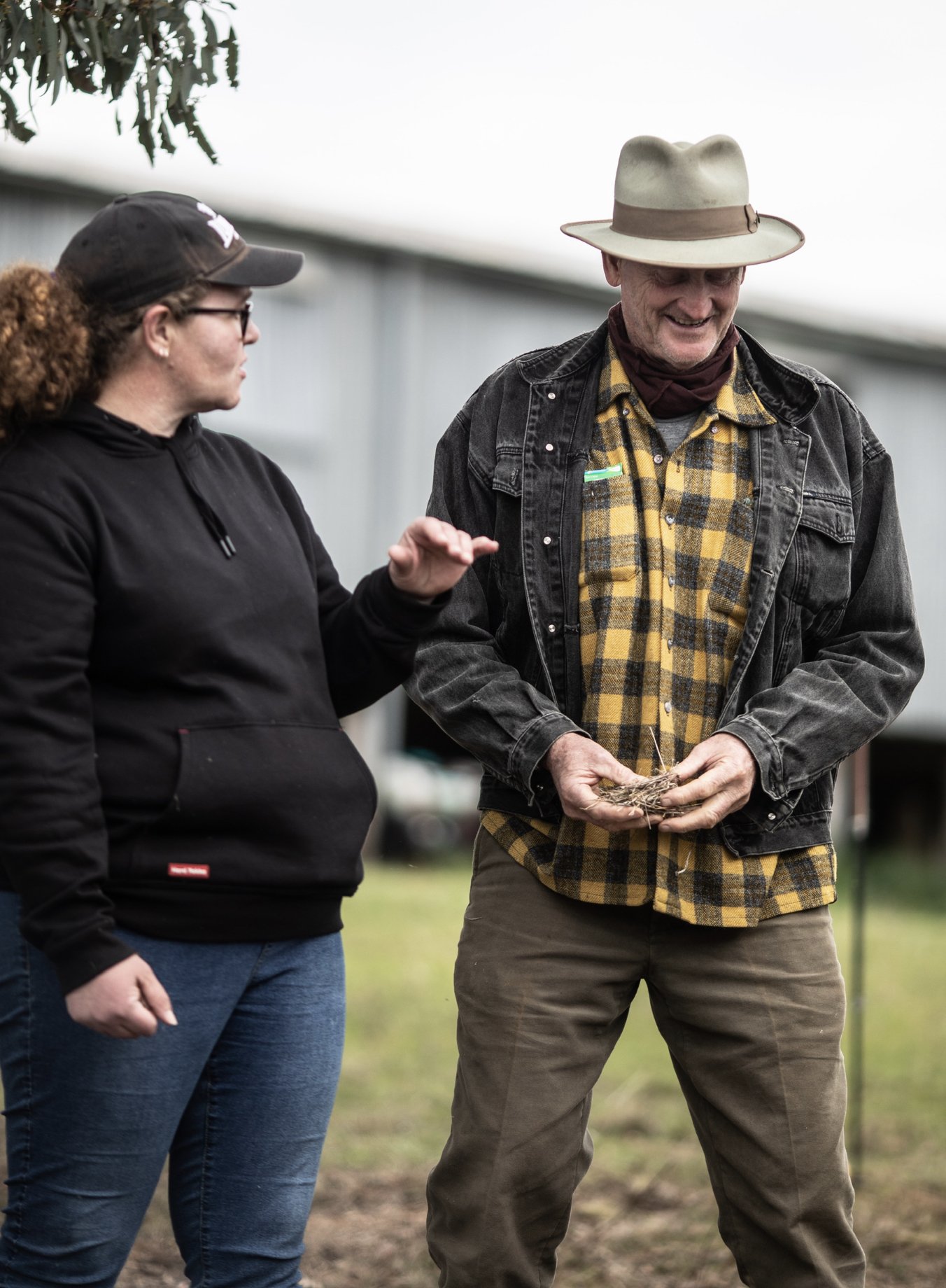
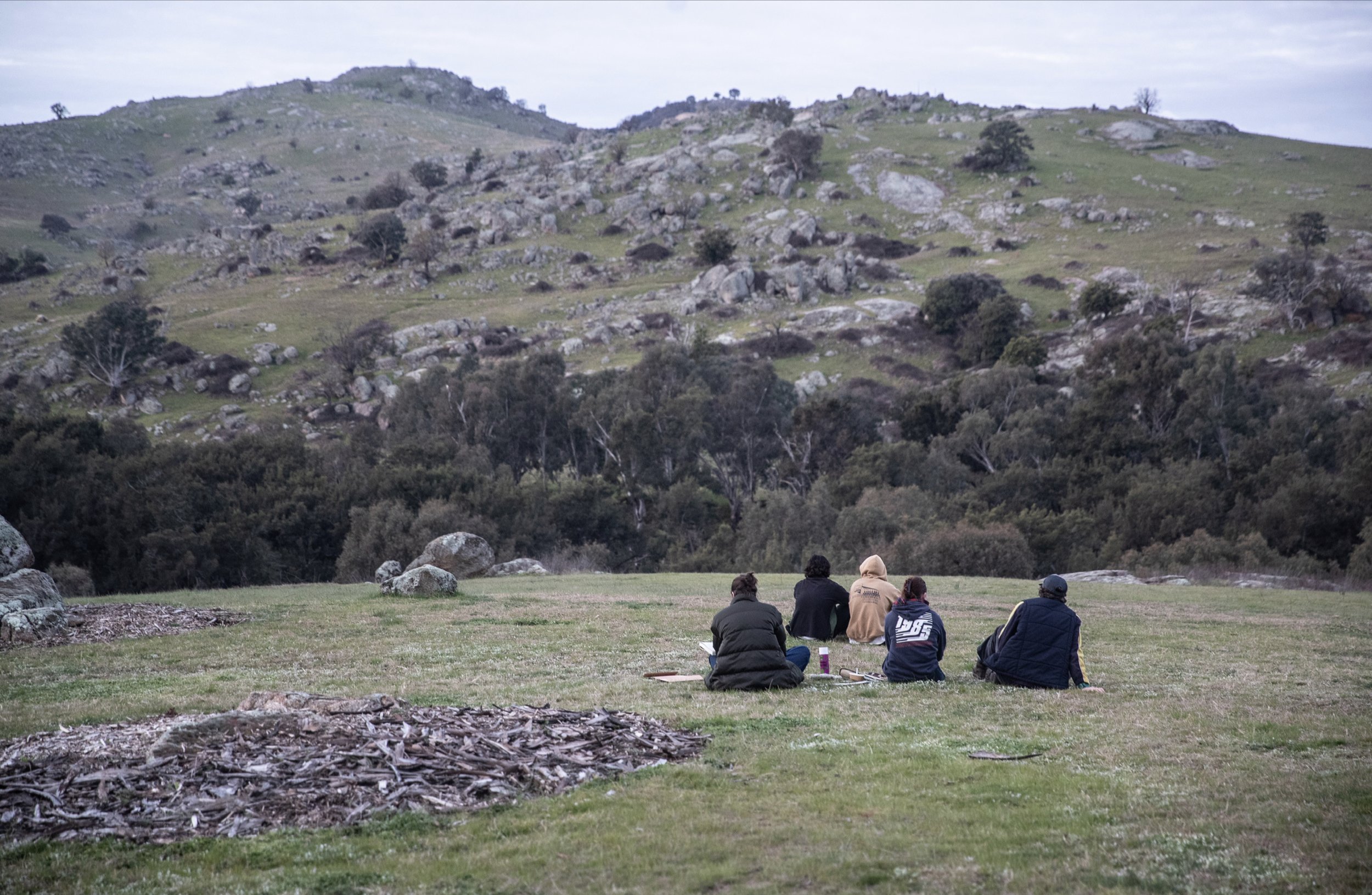
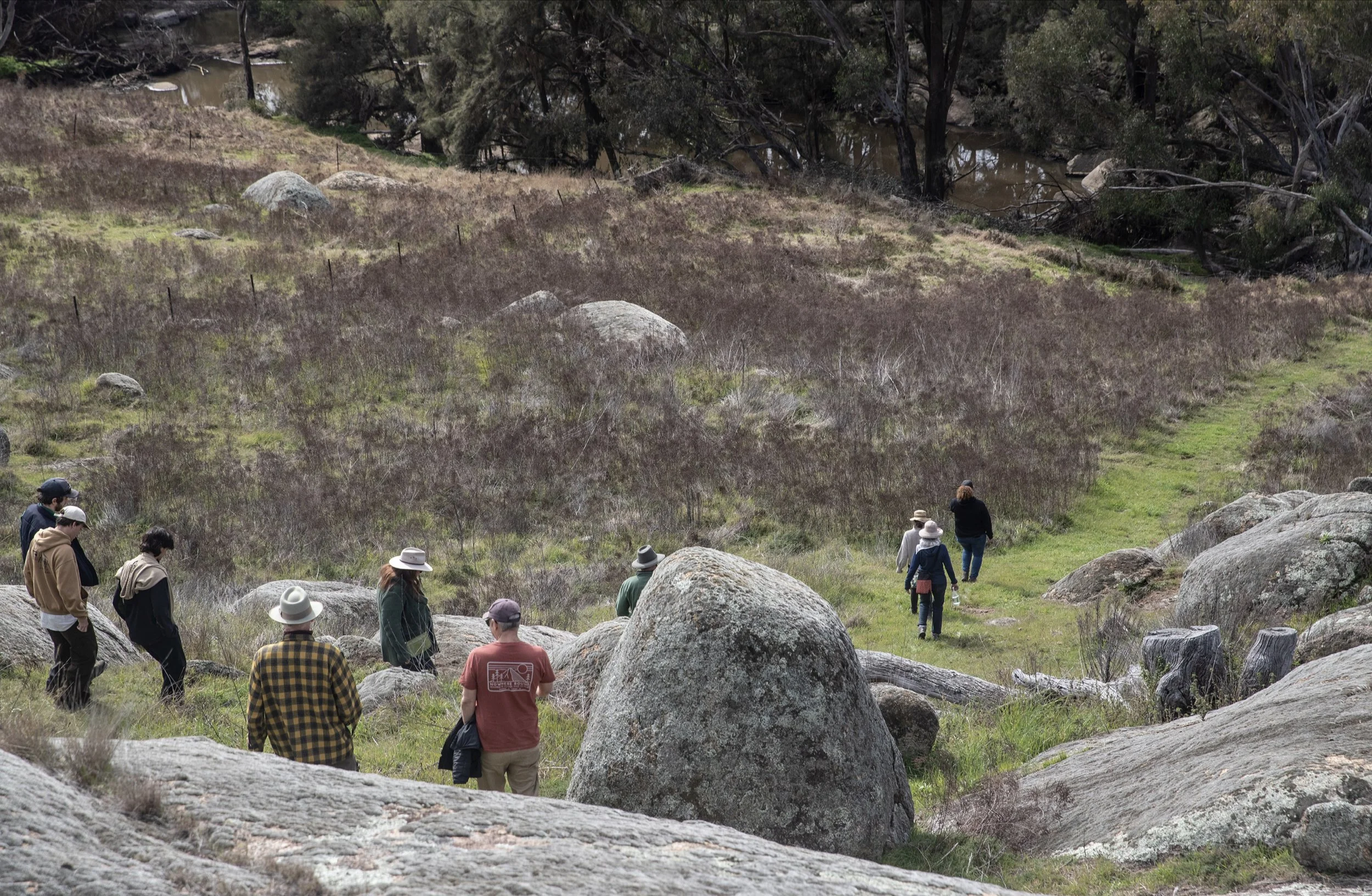
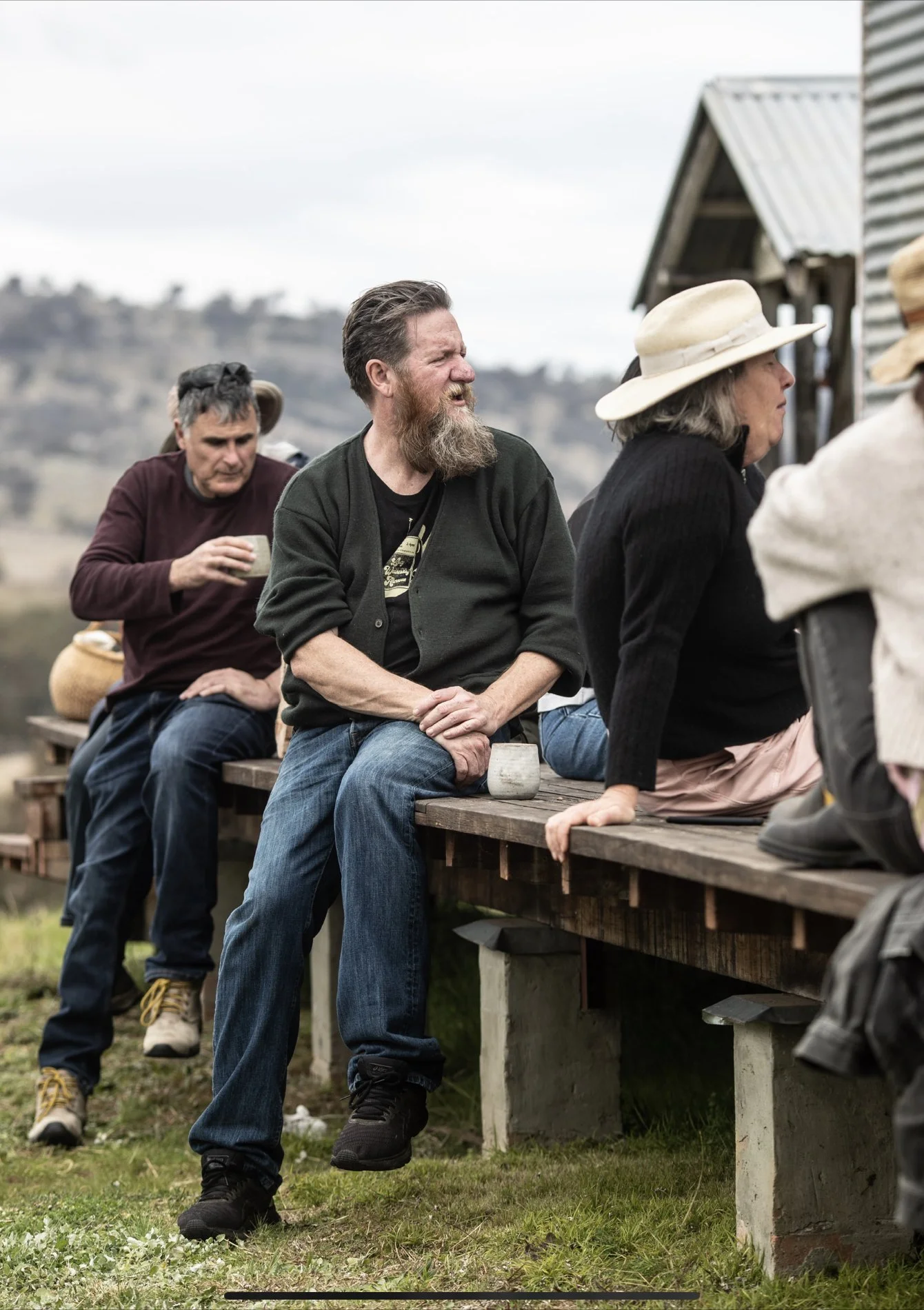
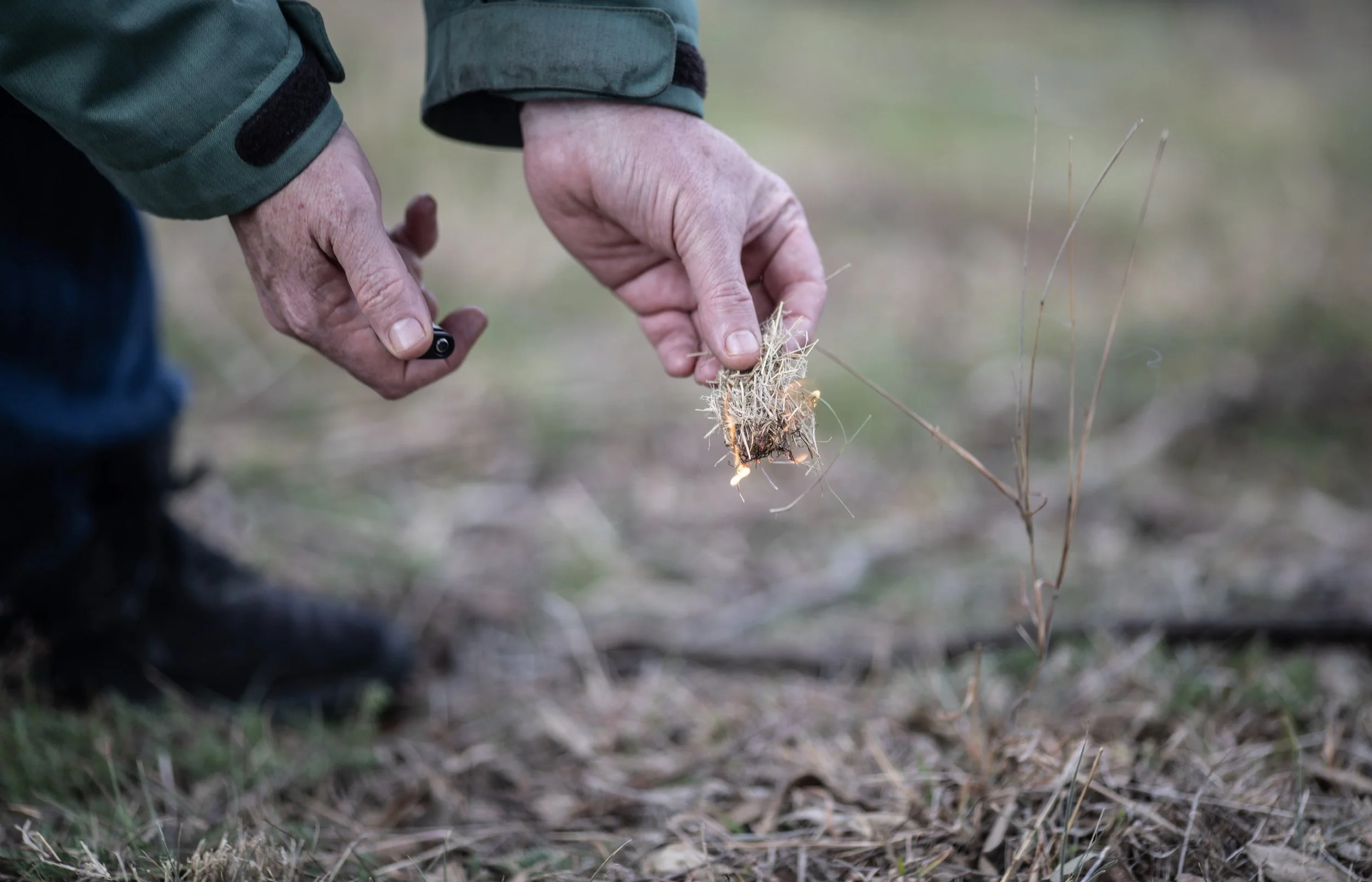
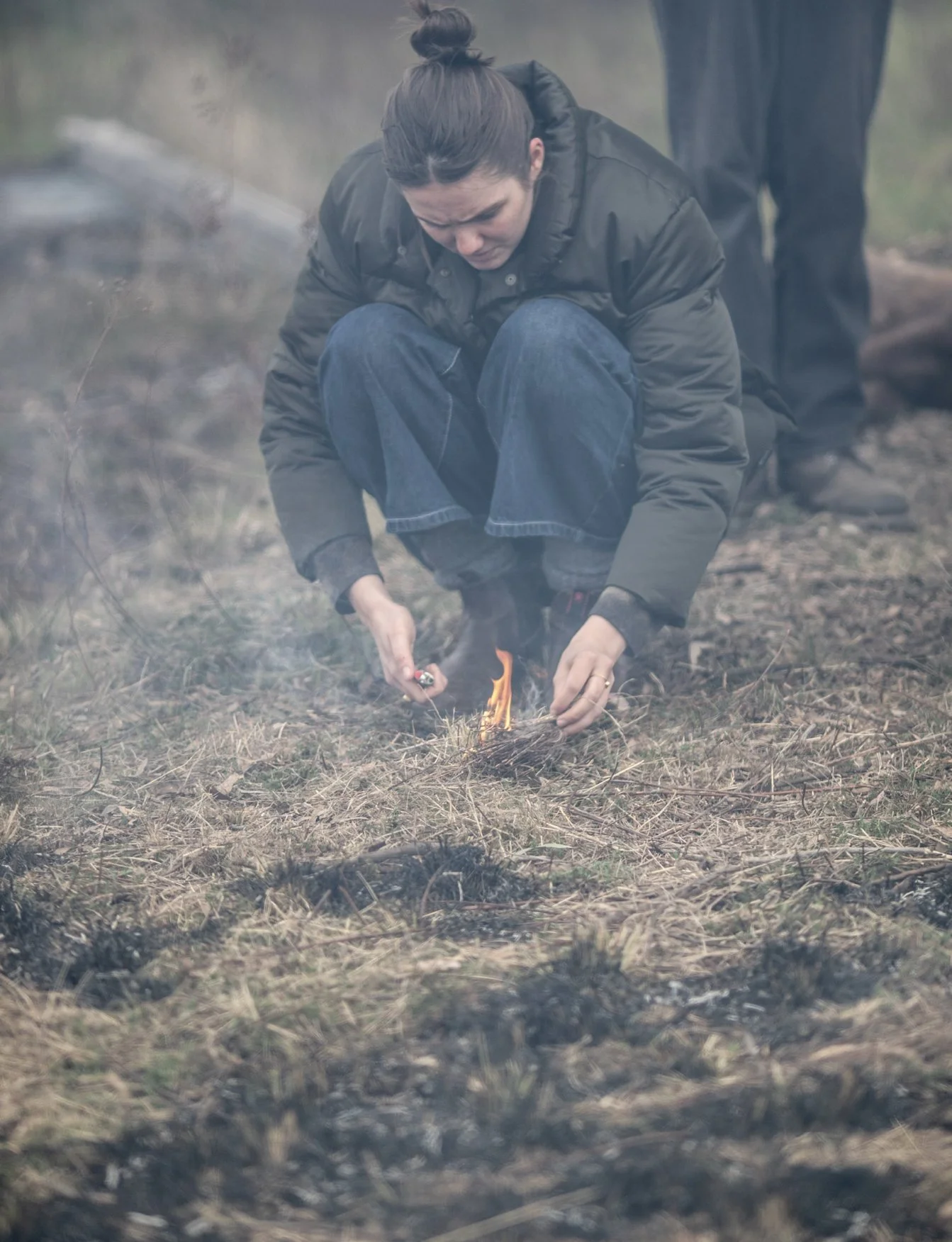
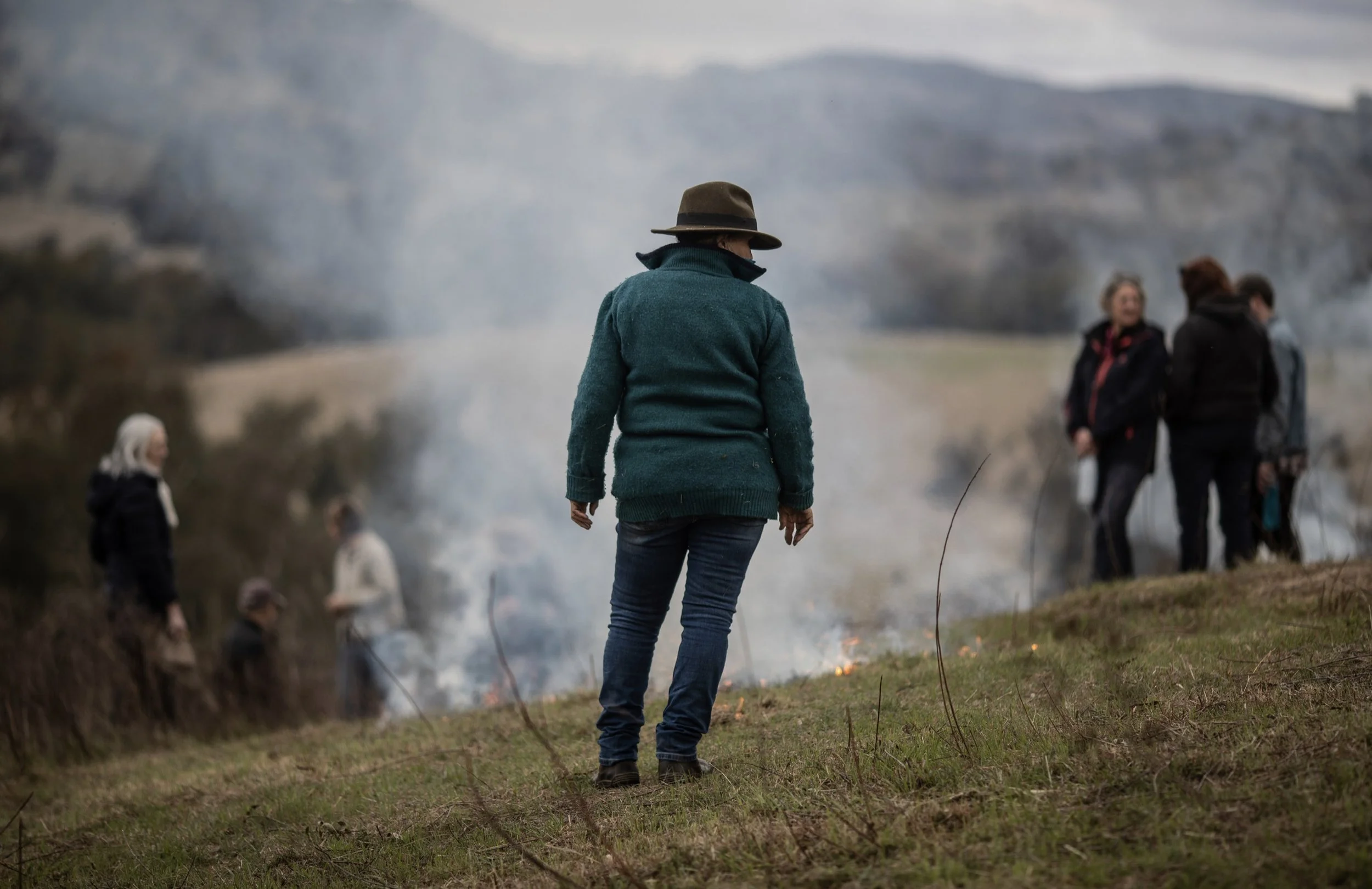
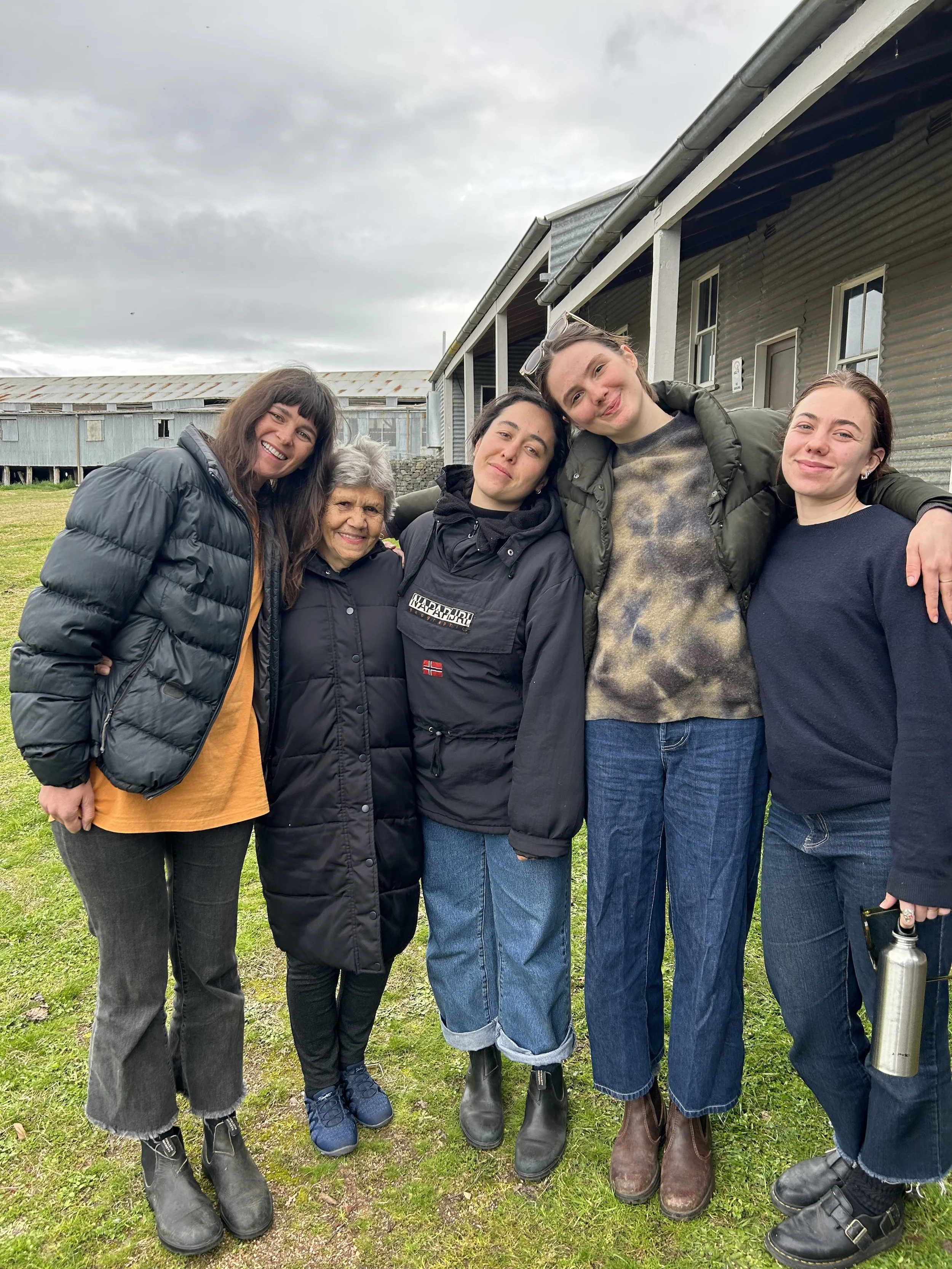
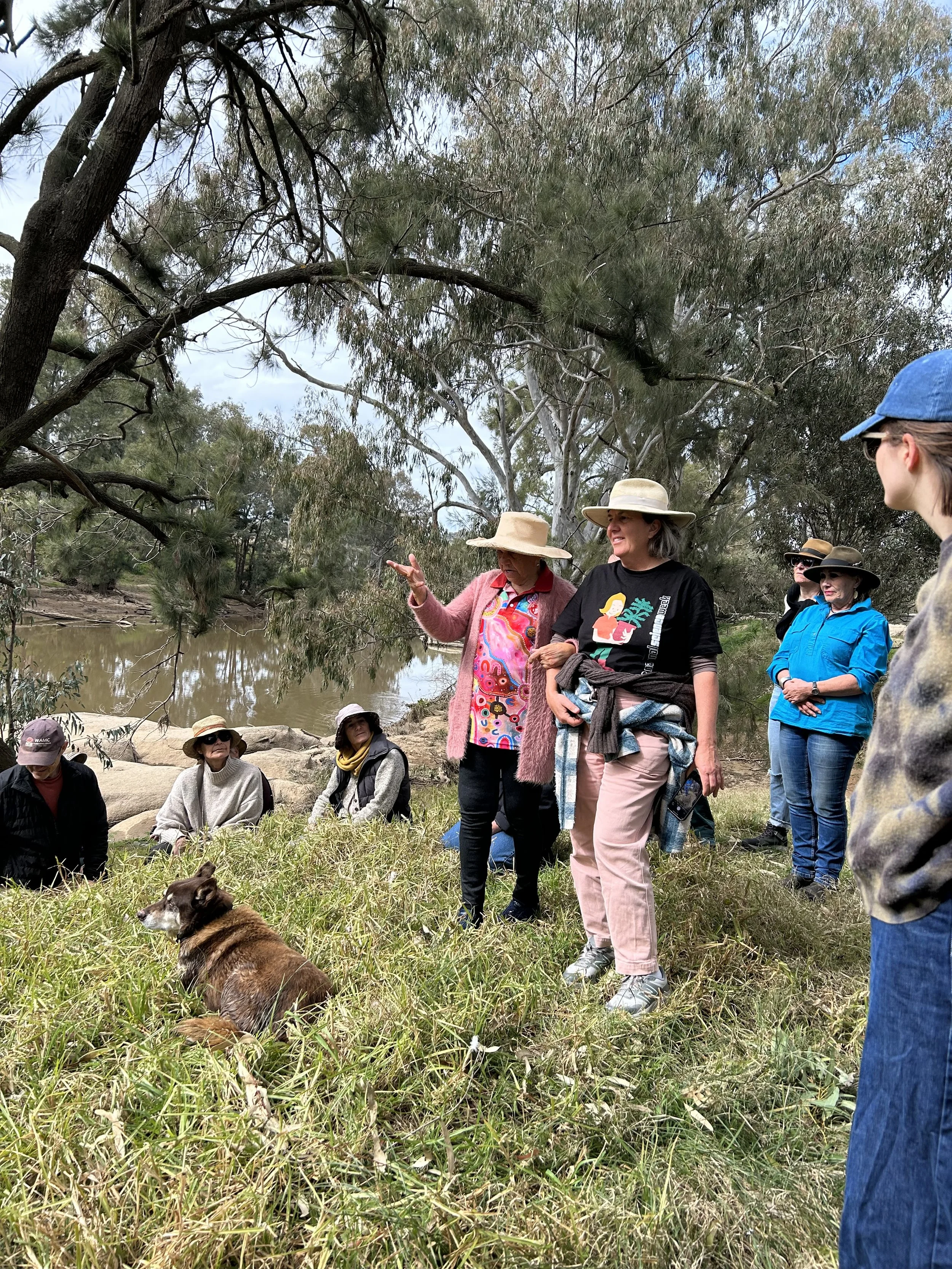
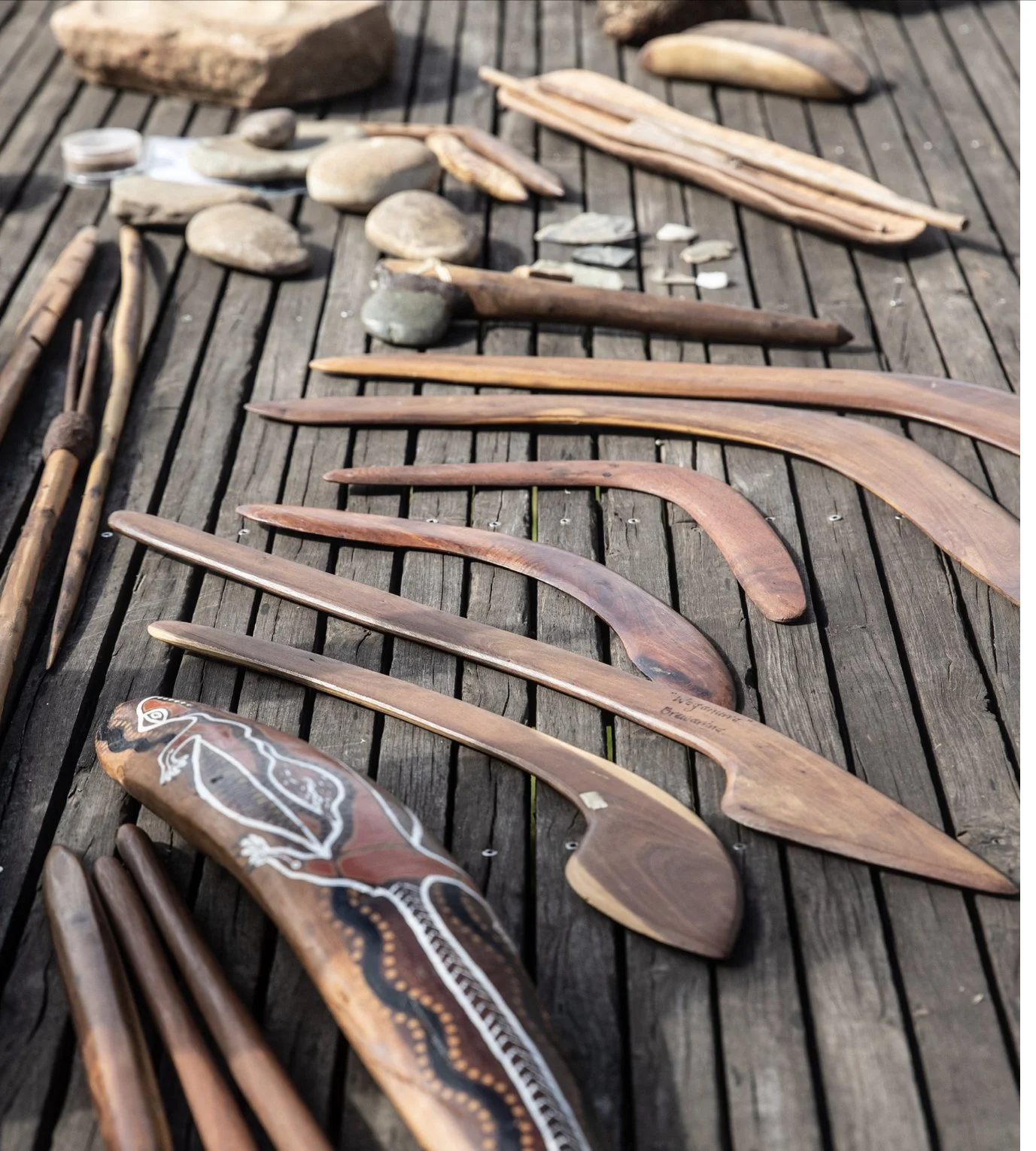
As part of National Science Week we welcomed participants from Sydney, Canberra and local Central West communities to WYANGALA. The First Nations science program was mentored by Wiradjuri cultural holders with a focus on habitat, natural ecologies, land and riparian health. The program aimed to deepen an understanding of the symbiosis between humans, natural events, and the environment, whilst highlighting the conservation of local ecosystems and habitat. Participants were Welcomed to Country by Wiradjuri Elder Aunty Esther Cutmore who presented an incredible account of family members who lived at Erambie Mission in Cowra under the control of the Aboriginal Protection Board from 1937-1965. Participatory community workshops were supported with a presentation by Wiradjuri arts and cultural worker Aleshia Lonsdale explaining the use of cultural tools and construction techniques. Grass species for weaving and fish trap construction was discussed followed by field studies identifying plants, medicines, and trees carved for canoes, coolamons, and weapons adjacent to the Galari [Lachlan] River. The afternoon session facilitated by Aleshia Lonsdale supported talks and demonstrations on Traditional fire management methodologies followed by ‘the Kinship game’. ARTICLE FROM INSPIRING AUSTRALIA HERE
WYANGALA was supported by Inspiring Australia and the Australian Government as part of National Science Week 2023, Arts Out West, and the CORRIDOR project. Image credit below: Sammy Hawker and the CORRIDOR project
Testimonials
“During National Science Week - WYANGALA I experienced the qualities of learning about place by being with place. The Wyangala program was site specific, creating ultimate conditions for proper education and open learning. First Nations leadership was the most important element of the program and punctuated all topics of discussion, including ongoing interventions and violent ecological practices like the dam wall. It was a day of learning that continues beyond itself.”
“What a wonderful weekend at WYANGALA for Science Week! The location and the surrounds could not have been more beautiful nor more conducive to the light-but-serious and inspiring knowledge sharing/exchange that took place. And I’ll add that the hospitality was as much a part of the power of WYANGALA as the place itself and the incredible views. The workshops themselves were enlightening, fun, practical and all the more potent for being held on and in country. I’m grateful to presenters Aleshia Lonsdale and Aunty Esther Cutmore for their incredible energy and generosity while sharing their culture and knowledge. Kinship systems, cultural burning specifics were particular new and fascinating areas for me.
I have to say being that little bit further into ‘the west’ from Sydney made the weekend feel more special, more of an adventure not to mention picturesque. I’d do this again any time! I would highly recommend WYANGALA and its program for anyone seeking a memorable experience; and I would recommend it as a location for a wide range of activities. Not least because of the beautiful, rustic quarters and main gathering spaces but the old shearing sheds truly make the mind froth with ideas. (I’m a musician, so every attractive place is a venue!)”
“I felt very lucky to be a participant at the 2023 Science Week First Nations science event at the CORRIDOR project, especially as we were fortunate to have such brilliant presenters sharing their knowledge and experiences with us. The weekend was challenging and illuminating and I learnt so much. Aleshia Lonsdale gave us the most insightful and incisive experiences of First Nation scientific and cultural methodologies and practices. Aunty Esther Cutmore’s natural river history and revealing social practices discussion and tour were so impactful. The accommodation, meals and facilities were absolutely amazing, inspiring and so generous. Thanks so much and absolutely everyone else involved in the organisation and sharing of the event as well as the warm and gorgeous people we were lucky enough to have in the group on the weekend.”
“What a great day offered, of fantastic workshops, which I found to be both interactive and informative. I was a participant and thoroughly enjoyed it. Both presenters who I had the pleasure to hear, gave me a new insight into Cultural burning and the practice of it. The speakers presented such a raw insight into life which wasn’t that many years ago, the things we need to hear to understand and go forward. Such a great culture that we can learn so much from to help improve the land we all live on.”
“My recent experience of SCIENCE WEEK WYANGALA - at the CORRIDOR project I am still considering what I learnt and experienced at the workshops based on Indigenous land management and astronomy. I enjoyed being out in the country with everyone involved.
The CORRIDOR project team know how to engage everyone in the learning process; they created a respectful and friendly gathering for us to learn from Aleshia Lonsdale and Aunty Esther Cutmore, who, between them shared not only deep knowledge and experience of slow burn land management research and practice, but also their lived experience of being a First Nation person, and the effects of dispossession. These women taught us so much in one afternoon; I am so grateful they are still willing and able to speak to us about these things. The workshop on cool-burning land management and research was fascinating. Aleshia Lonsdale taught us about the need for research and practice and the progress of it in the broader community, and we had a taste of slow-burning and saw how it works in practice.
The need for Indigenous land management techniques to always be carried out in collaboration with the Indigenous people on their traditional land was explained in the first workshop. Then we heard Aunty Esther Cutmore’s personal stories of life under The Aboriginal Protection Board, being regulated and patronised by the manager of Erambie (aka ‘the Mission”), from the humiliation and trauma of being told at school she would never learn, hiding from the police to avoid being taken into “care”, to working her way being the first indigenous woman to work at the local cannery, nursing in Moree, then studying at Uni, and now being one of the few left of her generation to share this history with us in her dignified and generous way, was very moving and inspiring.
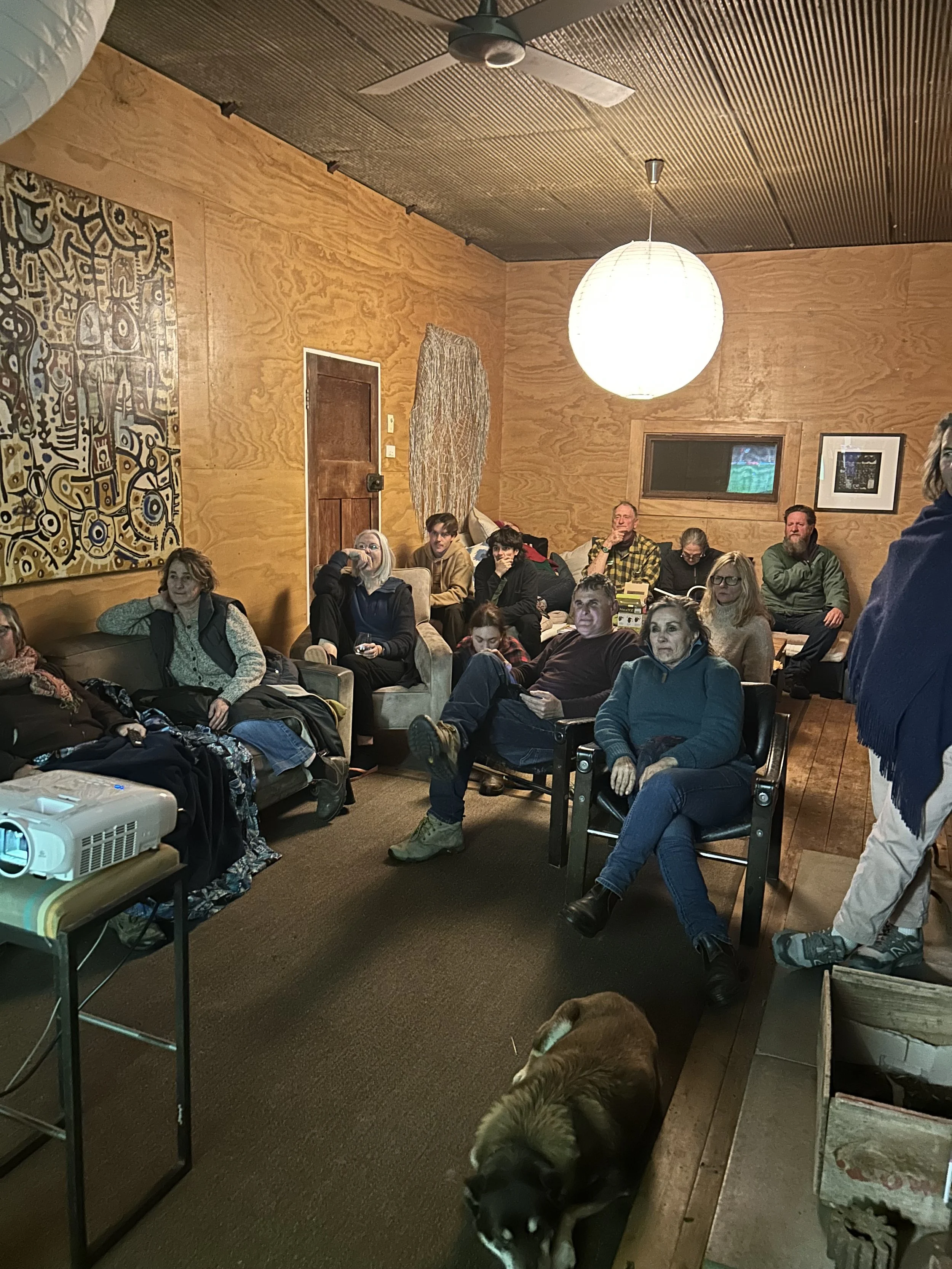
The need for connection to land to be respected, understood and fostered was finally made crystal clear by the Kinship Game workshop led by Aleshia Lonsdale. A practical demonstration of traditional social arrangements demonstrated how vital the connection to the land was, and is now, to First People’s existence. The loss of such connection from colonisation has been so severe, so destructive to their society, that any practice that strengthens indigenous people’s relationship to their traditional county, in this case, their slow burn land management methods, must be respected and promoted, not appropriated. Connection to land must be acknowledged, and indigenous people must be consulted and included in all practises. Aleshia Lonsdale’s Kinship Game workshop was a revelation on so many levels. One of the things that struck me was the very effective teaching method here. Aleshia Lonsdale’s approach was in itself a revelation. The practical demonstrations in a consultative circle for the development of understanding were efficient. I suppose you can tell I have been out of the education loop for a while now! I am very interested in doing more of the CORRIDOR project workshops. I loved that there were people from everywhere. The land, the Lachlan [Galari] River below the old buildings, the unpretentious and comfortable accommodation, and the delicious meals (and watching the Matildas!) shared with everyone made it a superb experience. Also, I’m not rich, so I appreciate that it was affordable! I have tried to think about what could be done better, but I believe it was a near-perfect experience.”
“I had such a great time learning about Indigenous heritage, especially playing the kinship game which gave me a deeper understanding. Sleeping in the shearing shed made me think of what life would have been like for shearers back in the day – and the woolshed is so cool!”
“Just putting in my heart felt thanks to the CORRIDOR Project for the National Science Week Wyangala Workshop and a special thanks to the SUPER presenter Aleisha Lonsdale for taking on the whole day as our guide through the science of cultural cool burning, and Koori Technology. Wealth of knowledge was passed on and I especially loved the Kinship game. I recommend Aleshia gets a bigger pair is scissors or shears for the demonstration of the cutting of trade and family ties. Enormous wasn’t big enough!!!! Thanks to the organisers of Tucker and funding for this in-depth and mega informative workshop. The CORRIDOR Project have managed to deliver once again.”
“Science weekend at the CORRIDOR project was a blast! The planning and hosting was generously seamless in providing a most memorable and enjoyable experience. The environment in itself is a gem... with sculptural rocks, river deep in the gully, old flood plane with built memory traces of old wool sheds, shearer’s quarters from no doubt from way before the construction of Wyangala dam. Participating in knowledge sharing and insight in First National fire stick burning, Auntie Esthers poignant talk of her family’s time growing up under the Aboriginal protection board and Aleshia’s excellent commanding educational skills imparting First Nations knowledge of weaving, harvesting, tool making, food preparation, respectful approach to artefacts and if found, document by photographing, recording the GPS location and uploading to a dedicated ‘app’ [item not to be removed]
Games are for children right? One of the games we played was of course with laughter and a bit of confusion with different coloured cards moieties, numbers, letters and eventually balls of coloured wool .. that’s when knowledge of the complexities of family kinships was imparted. And how devastatingly simple it was to destroy. Accommodation in shearer’s quarters meant continued conversations next day. I was all set up with my swag to camp however due to a cancellation, was offered a room. Call it ‘delicious’ as it was quite a chilly night. Every time I am in the Wyangala area, I just want to paint. Access to the river is of course in the main part in private hands and so generally restricted. TCP’s location is a treasure .. hint, that means I’d love to participate, be involved to come back to make a New Series of paintings. Well done!”
“Sincere thanks for yet another marvellous TCP day….the content, talent, company and execution all perfect.
I feel privileged to have TCP as part of my life and I’m always excited to see what you have planned next!!”
“An unforgettable memory forged at The Corridor Project experiencing a unique Science Week event led by First Nations educators, in the company of local farmers, artists and participants from across NSW. Thanks to Phoebe, Dylan, Aleisha and Aunty Esther and especially for accommodating the teenagers – they were thrilled to have the chance to use the telescope in the vast and deep night sky of Wyangala
Being on Wiradjuri Country for a whole weekend and learning from Aunty Esther and Aleisha was a life-changing experience for myself and the two young men aged 17 that I brought to the CORRIDOR project for a weekend of Indigenous science during National Science Week. Aleshia is such a skillful educator! Her presentations on tools and techniques were brilliant and captivating, bringing the traditions to life as we discovered an array of artefacts before walking on Country together down to the Galari River. Aleshia talked about Wiradjuri customs and cultural practices like tree scarring and explained all kinds of protocols for observing sacred sites, rocks, shells and natural ecosystems. We also got to try our hand at cool burning! Aleshia explained both the cultural methods and environmental factors that are taken in to account and we discussed how this practice is increasingly helping land managers prepare for fires. Thank goodness Indigenous knowledge is finally being taken seriously given the threats we face as the planet warms.
The kinship game was a brilliant way to illustrate Country, Kin and why Stolen Generations had the potential to absolutely destroy 60,000 years of Indigenous knowledge systems. But thanks to Aleisha, Aunty Esther and the hard work of countless other Indigenous educators and advocates over decades, the knowledge survives to all if our benefit. It was a privilege to hear firsthand from Aunty Esther about her life at Erambie Mission. To witness an Indigenous elder speaking so candidly about their life on a mission and the hardships endured at such a personal level was extremely moving as well as illuminating. In the context of the Referendum on the Voice to Parliament, we greatly appreciate having shared Aunty Esther’s story. To witness her emotion as she spoke of the lack of encouragement she received as a young girl was especially humbling.”