
About the program
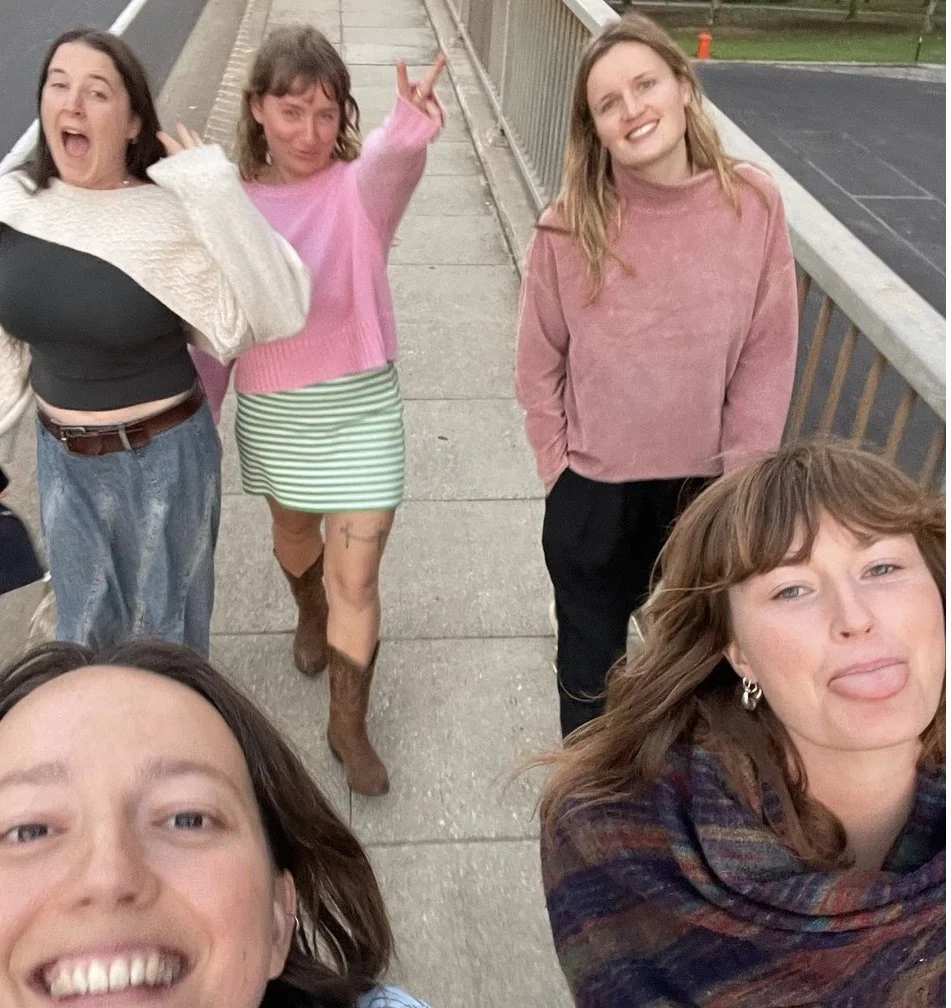
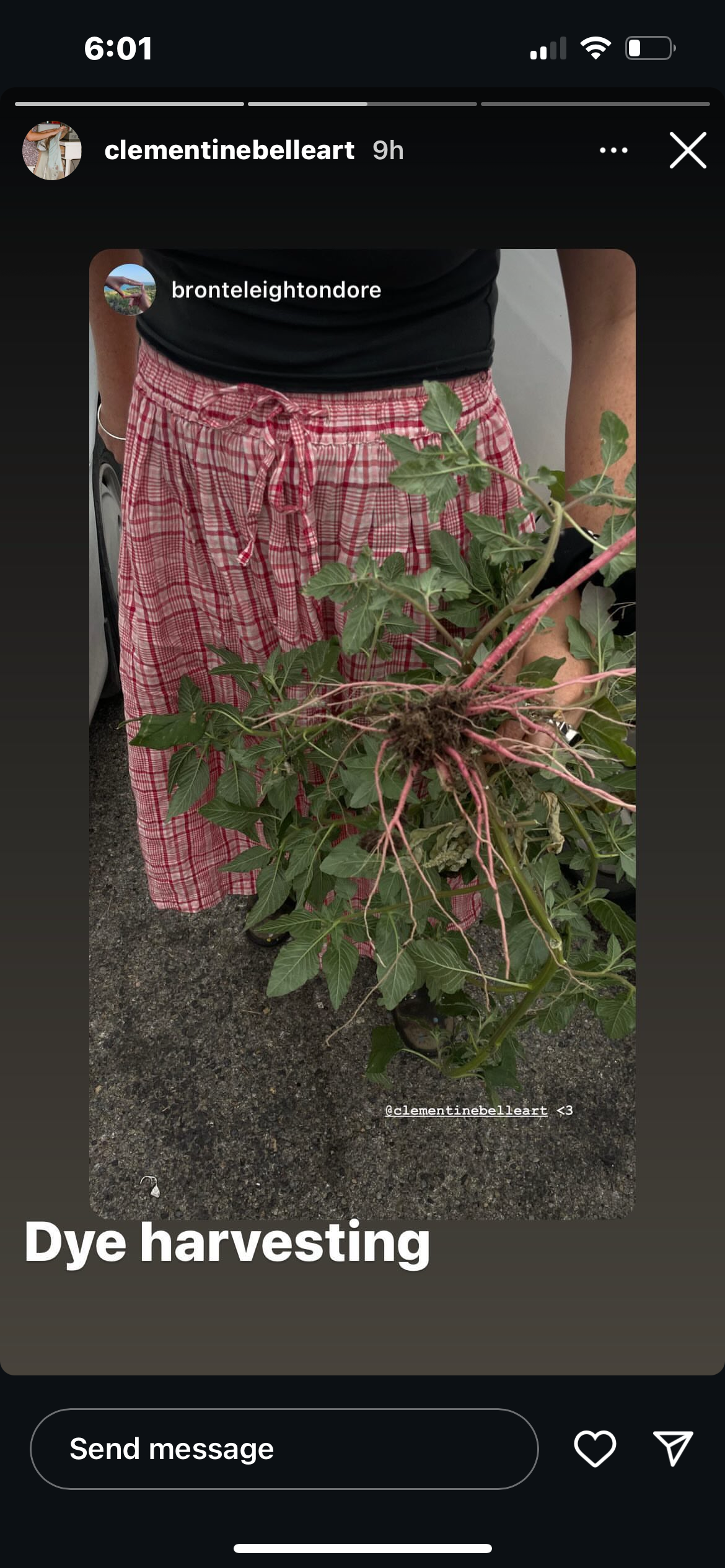
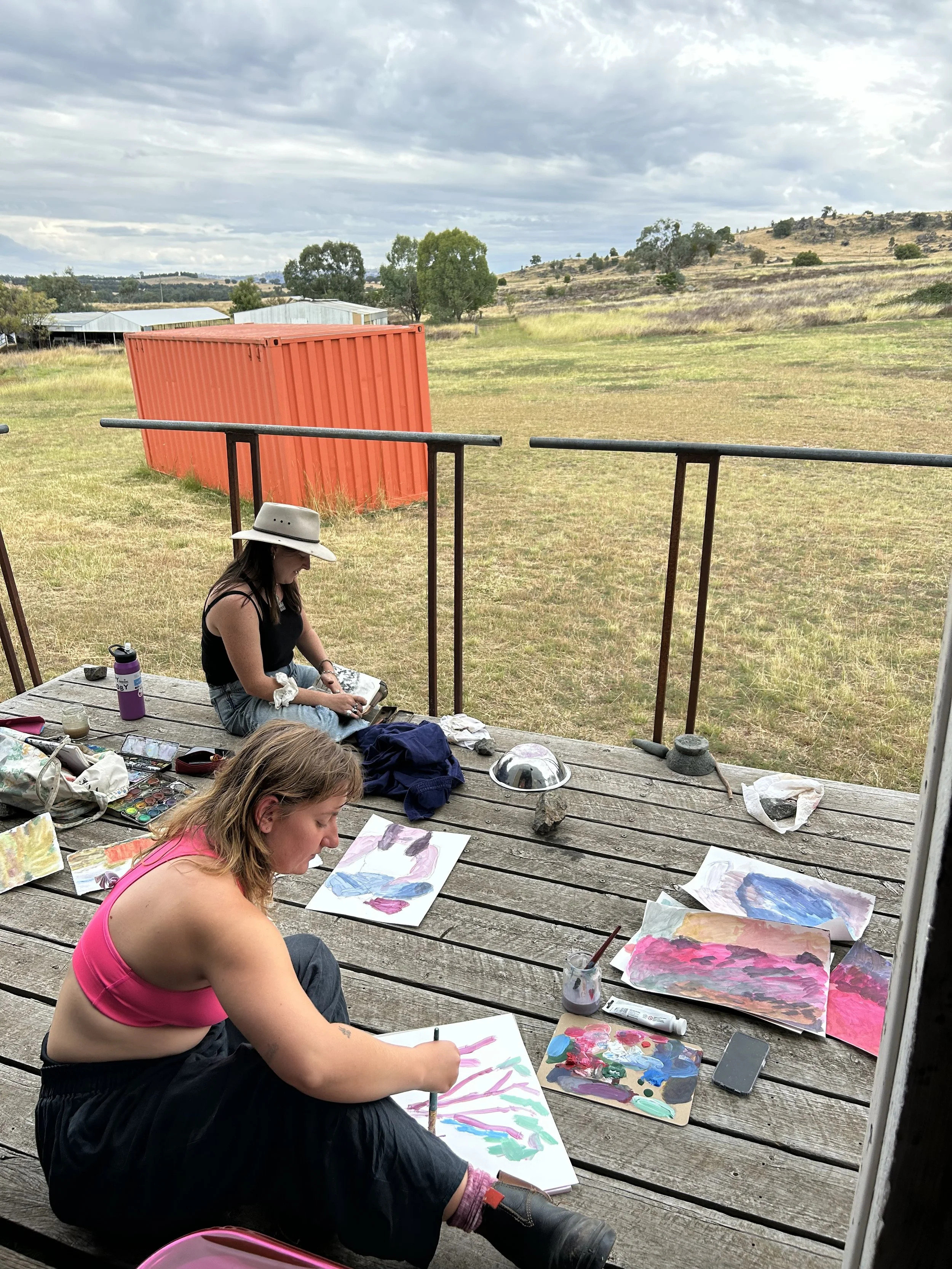
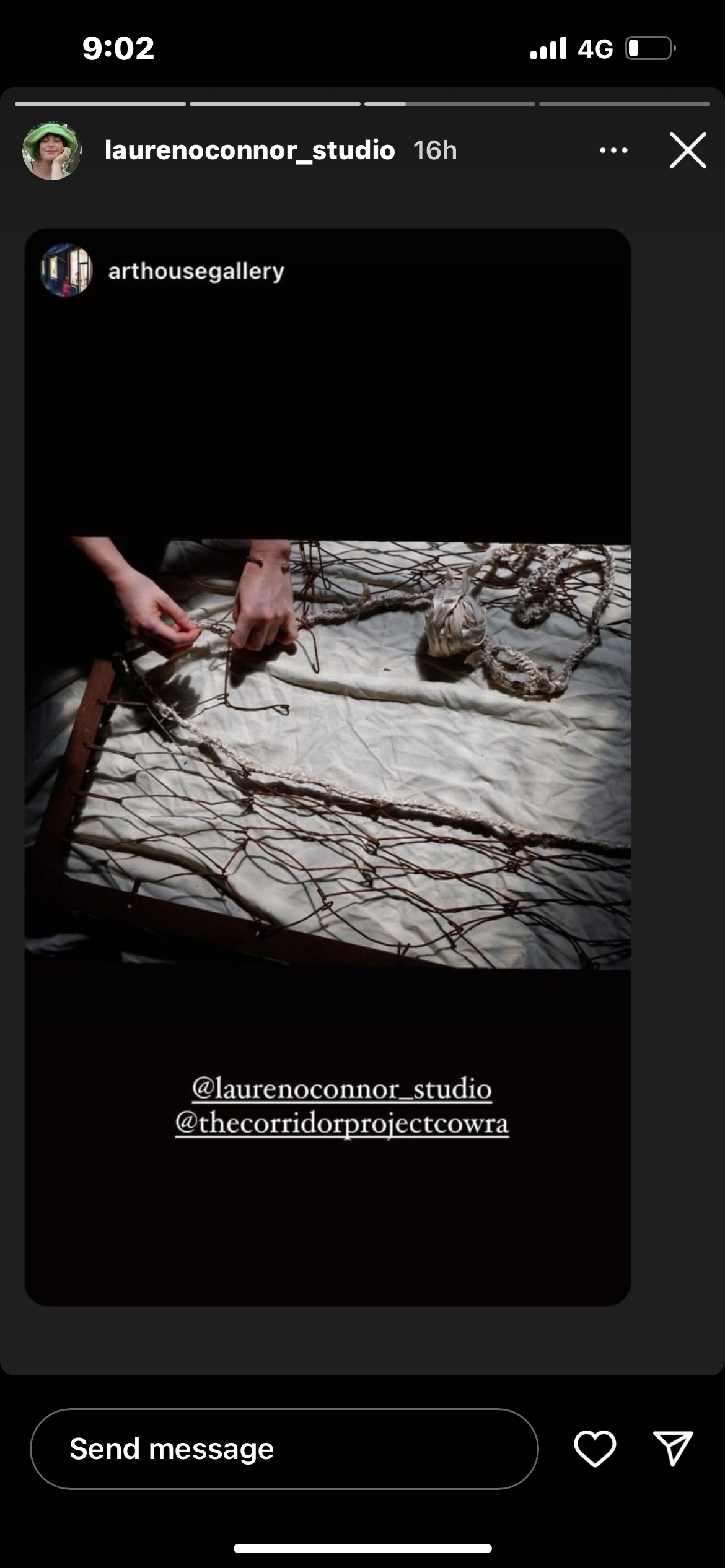
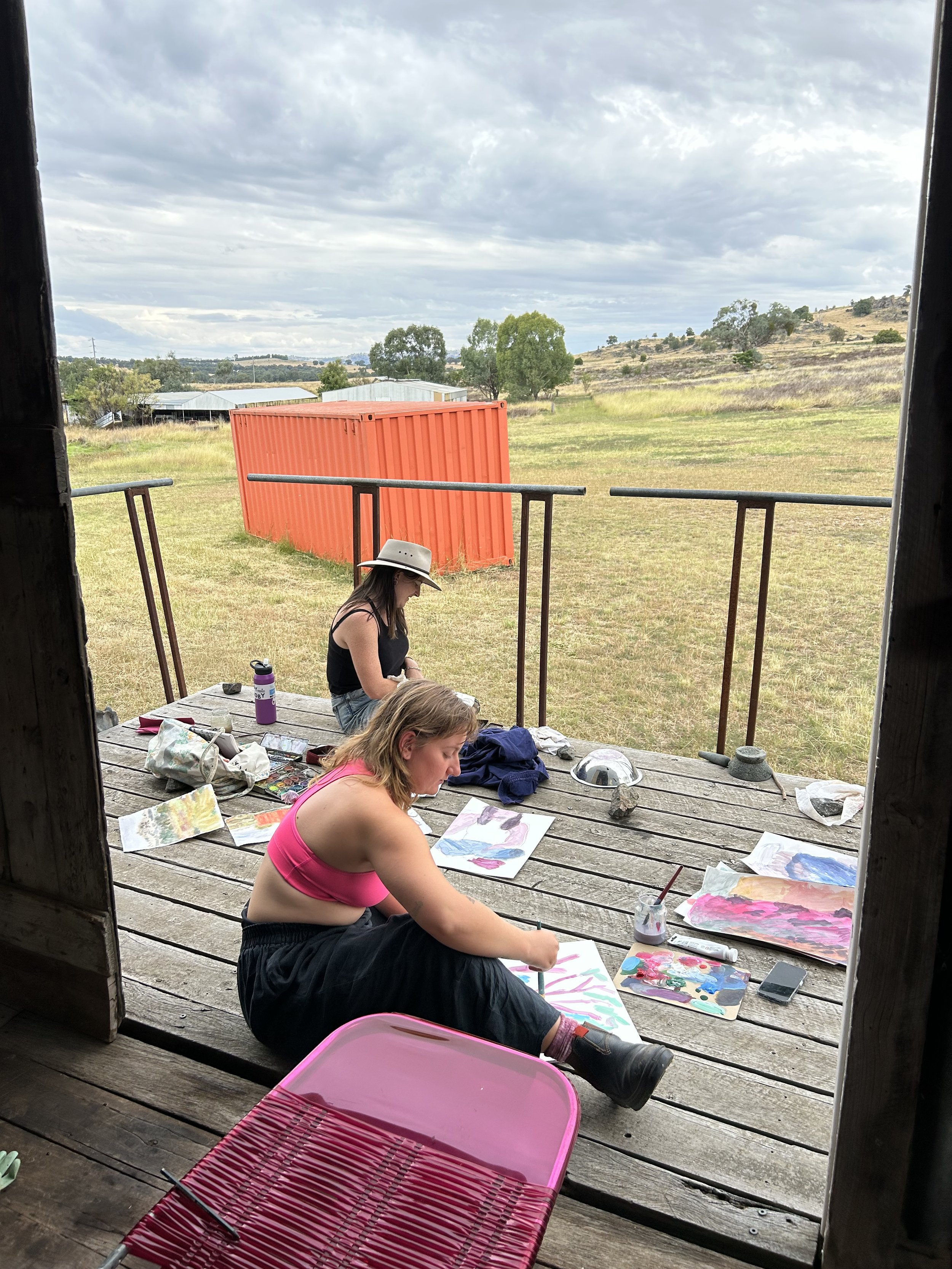
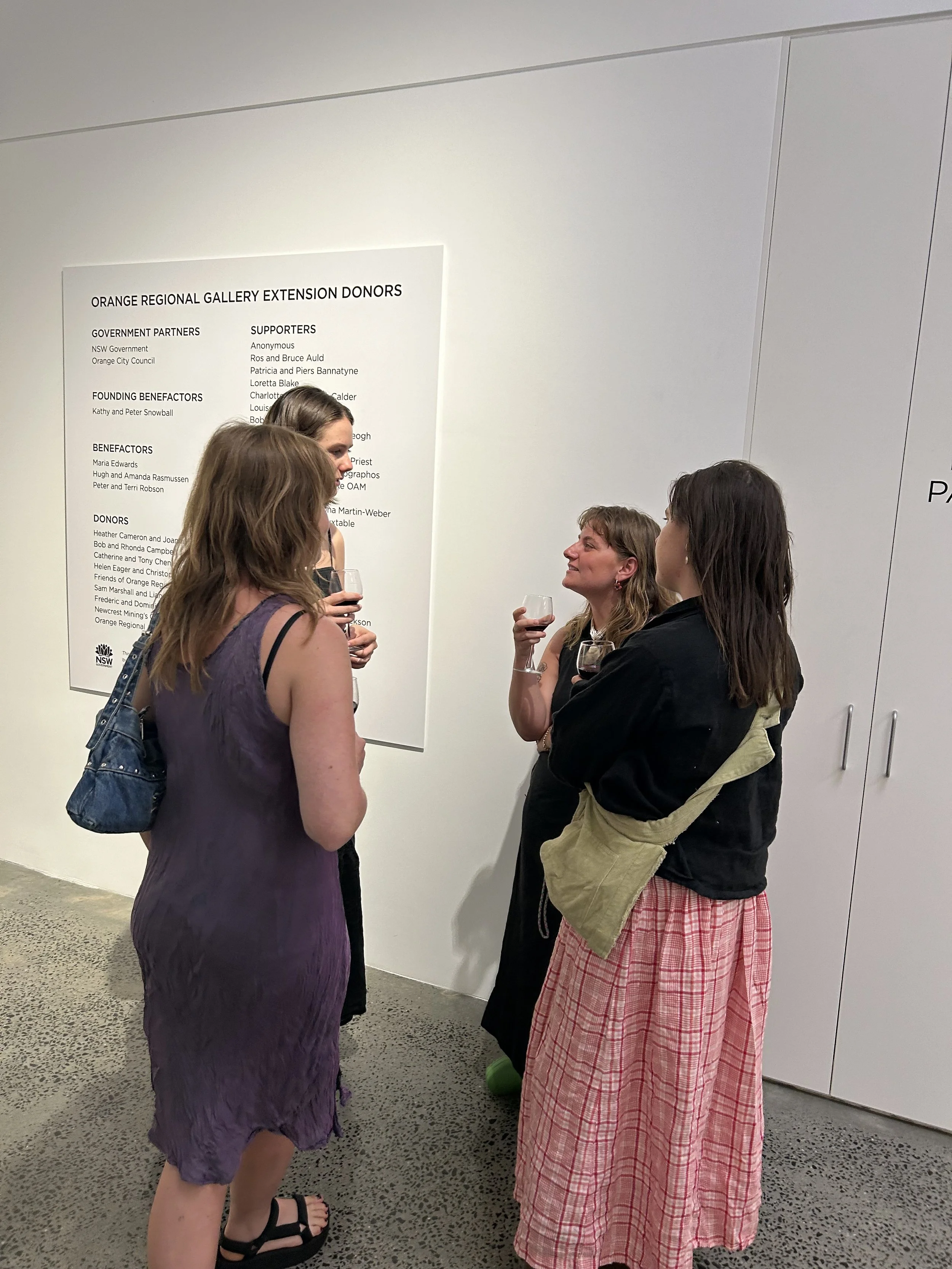
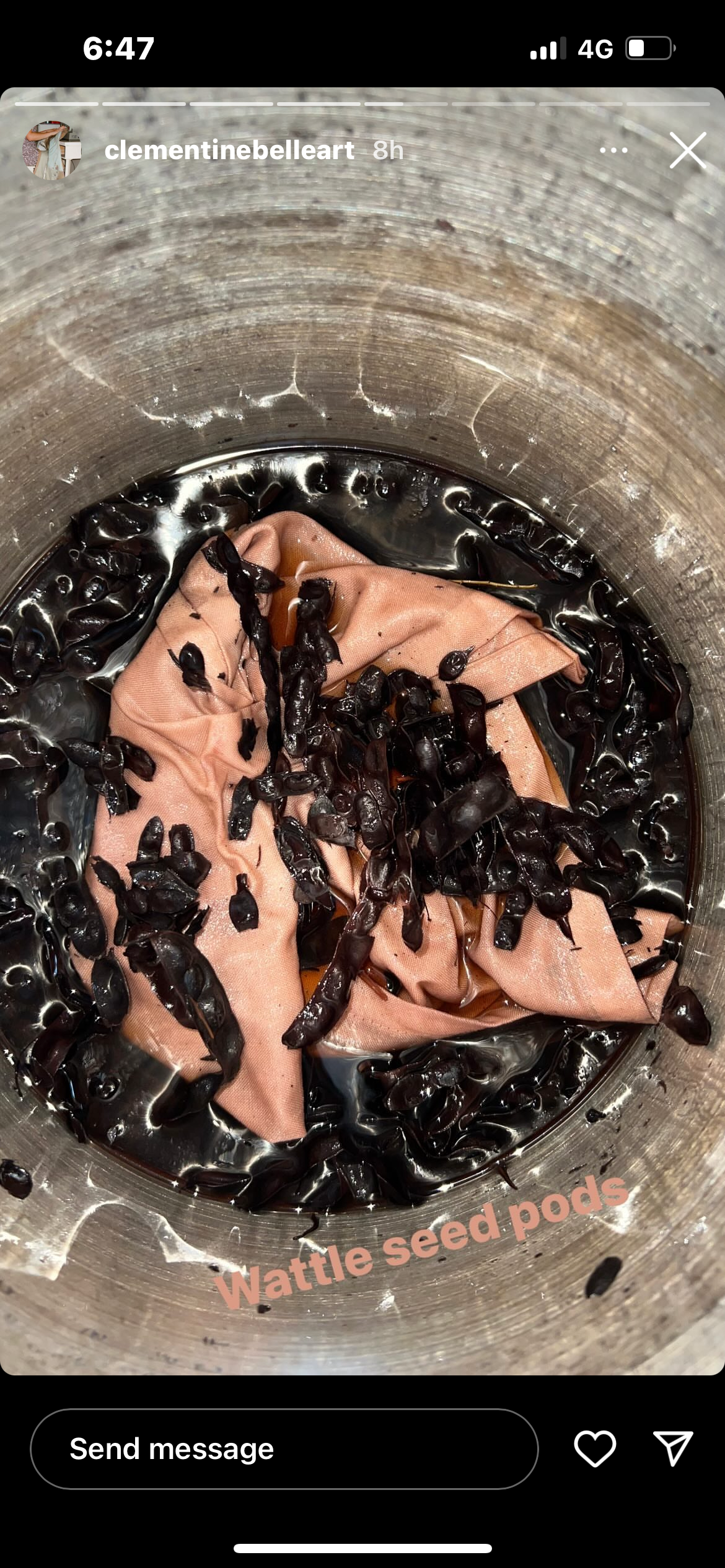
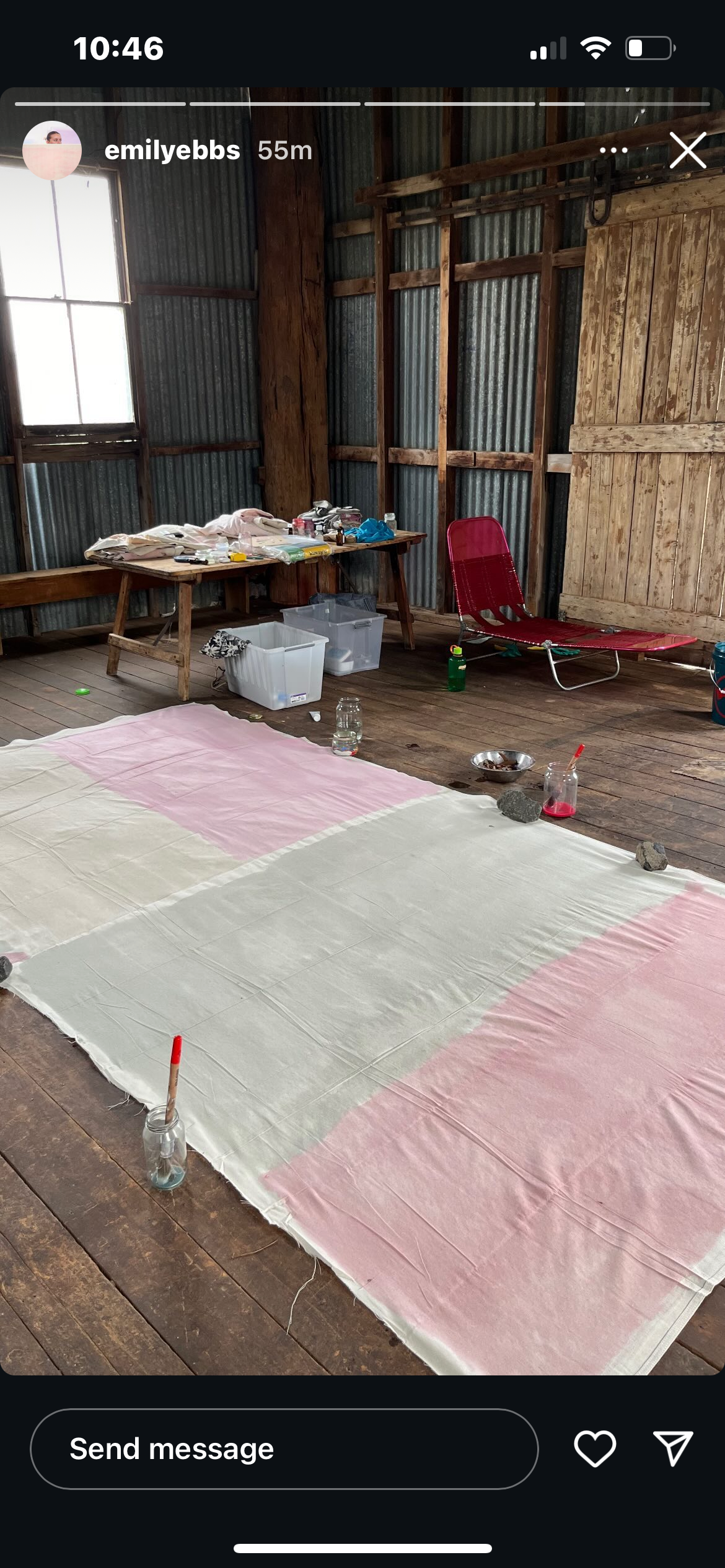
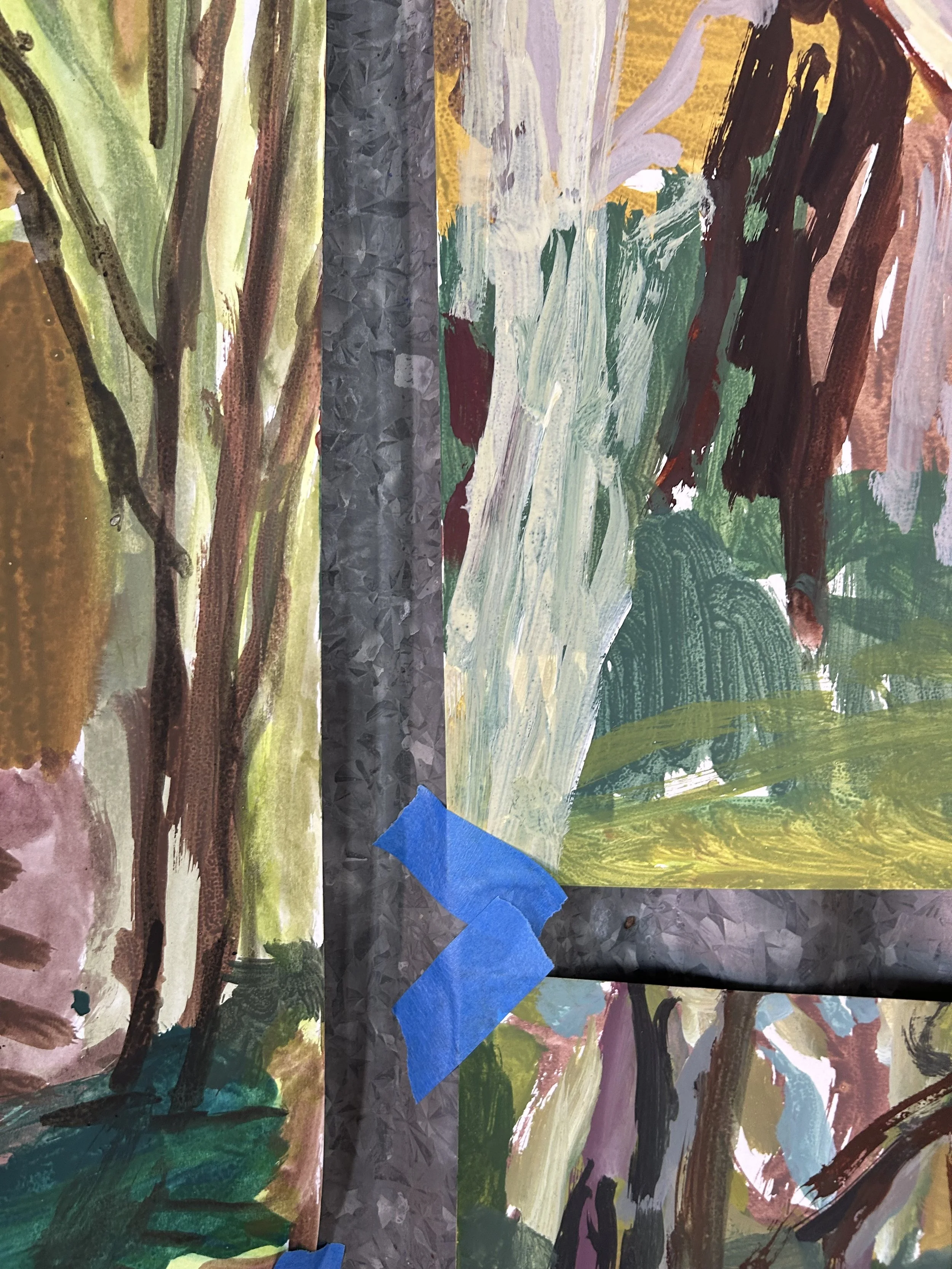
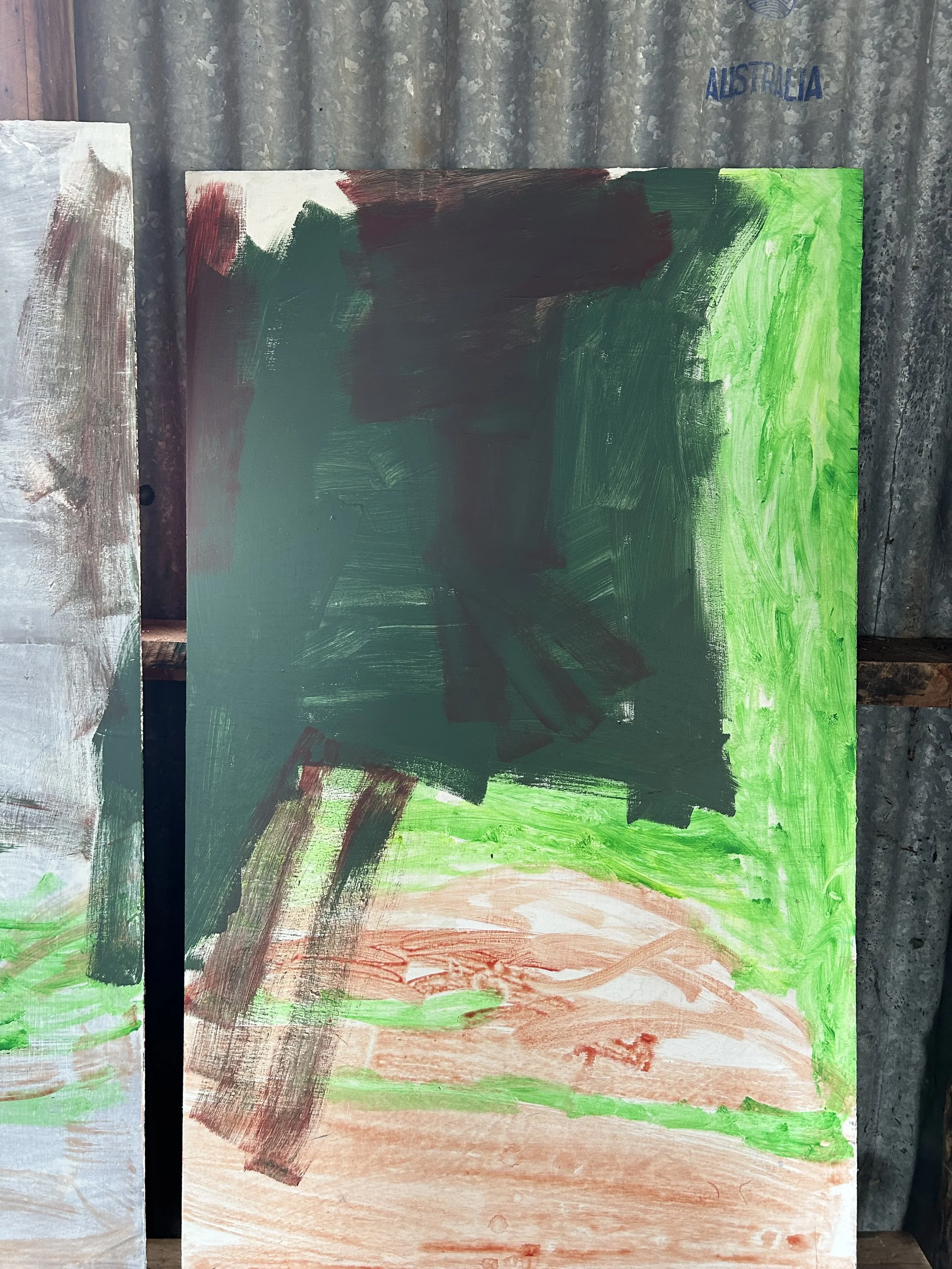
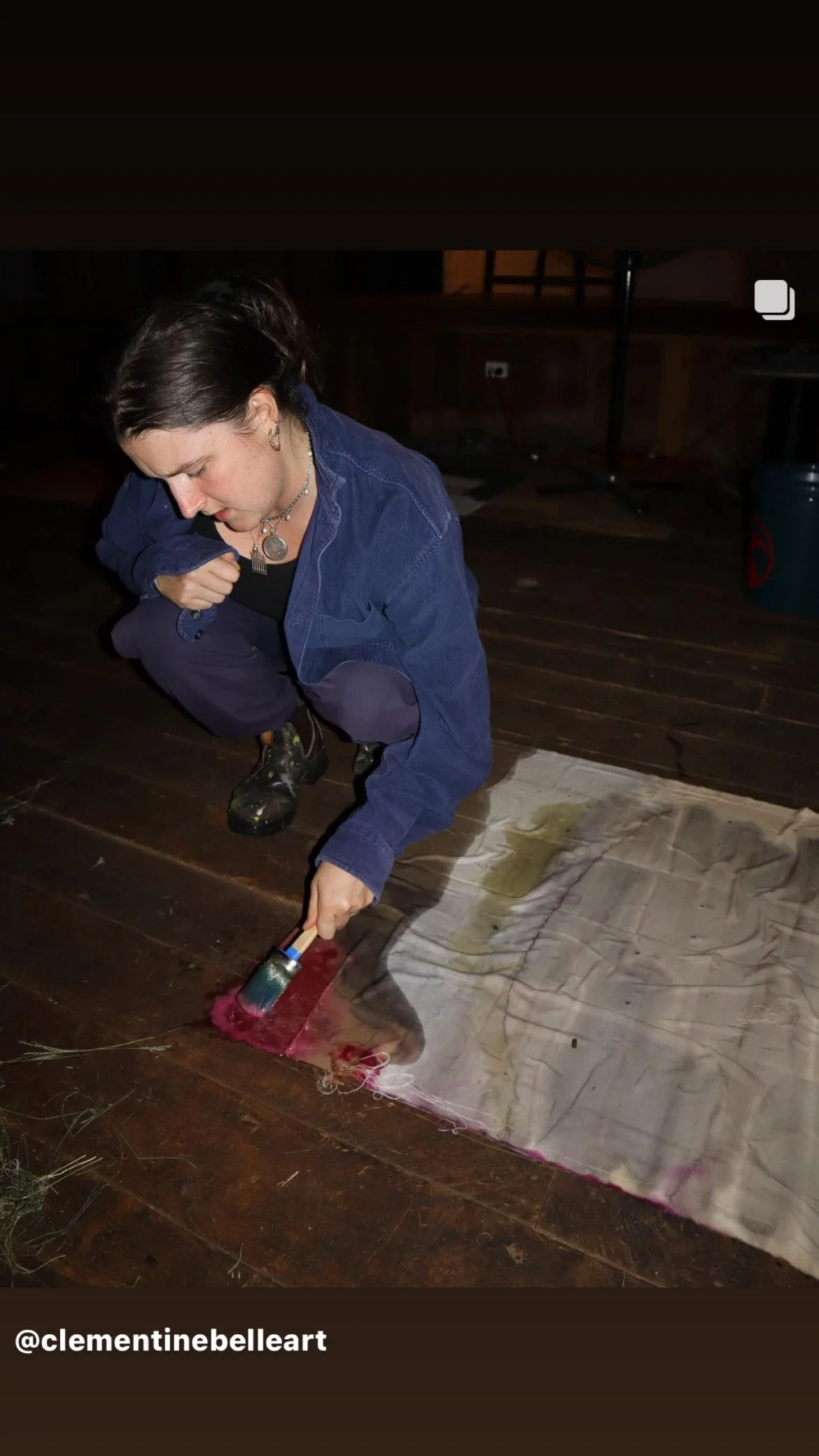
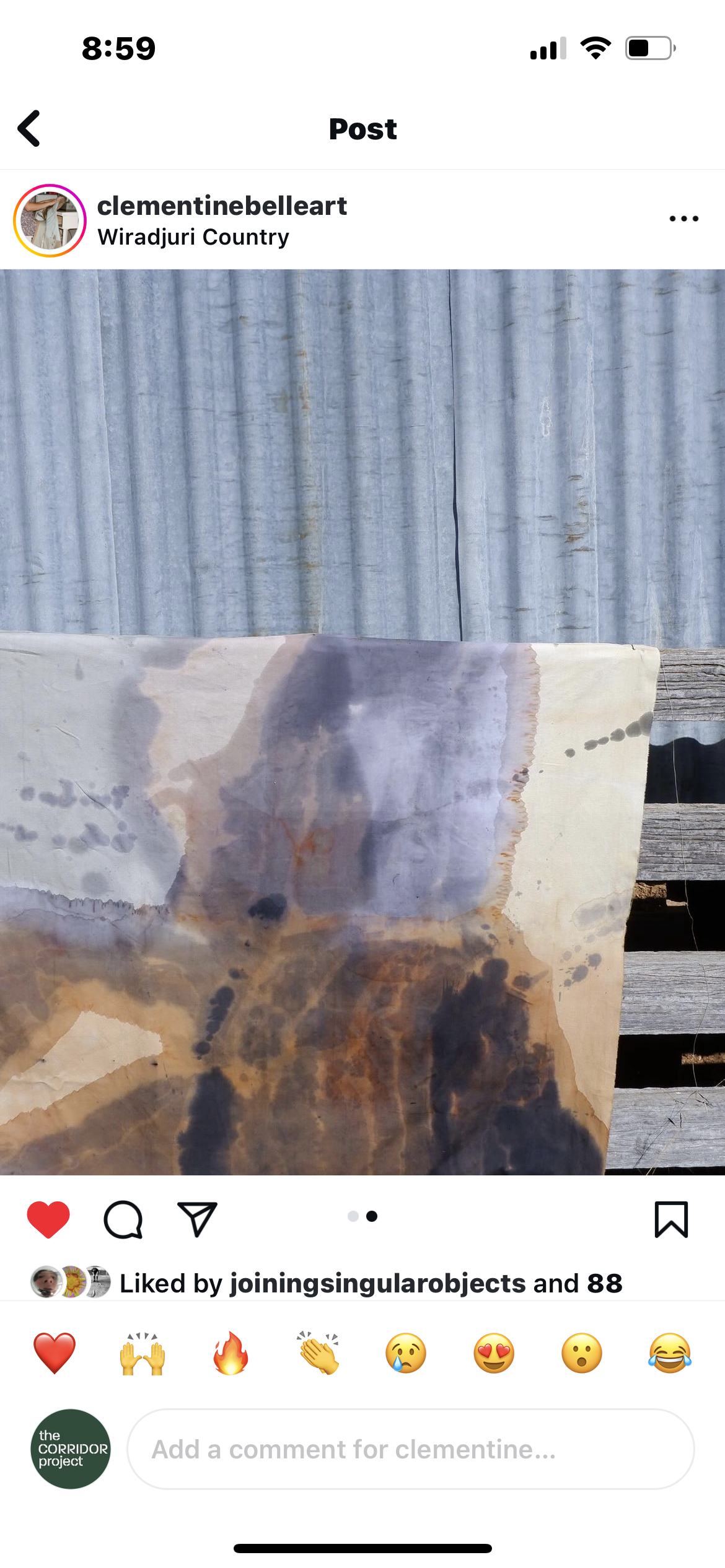
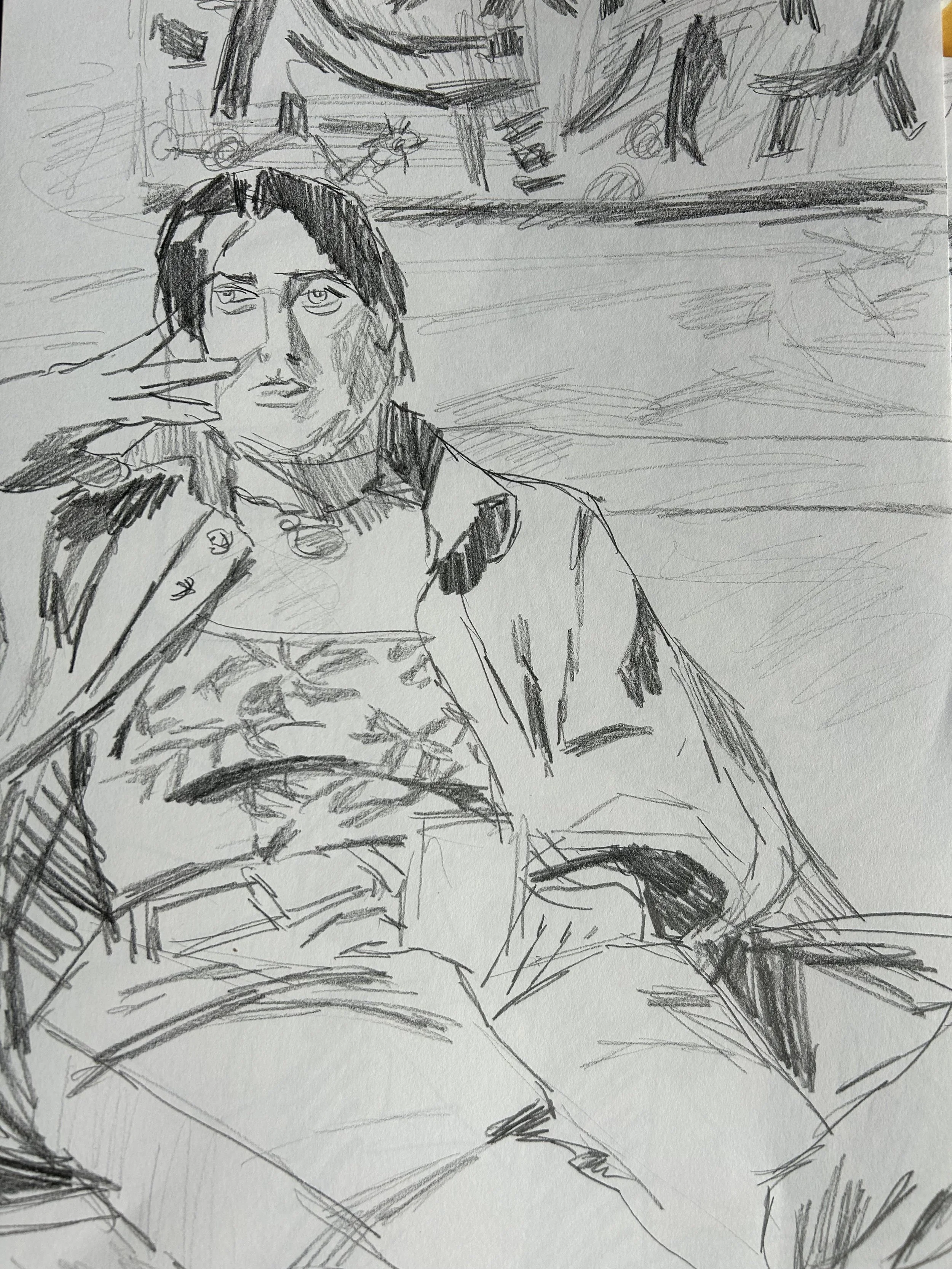
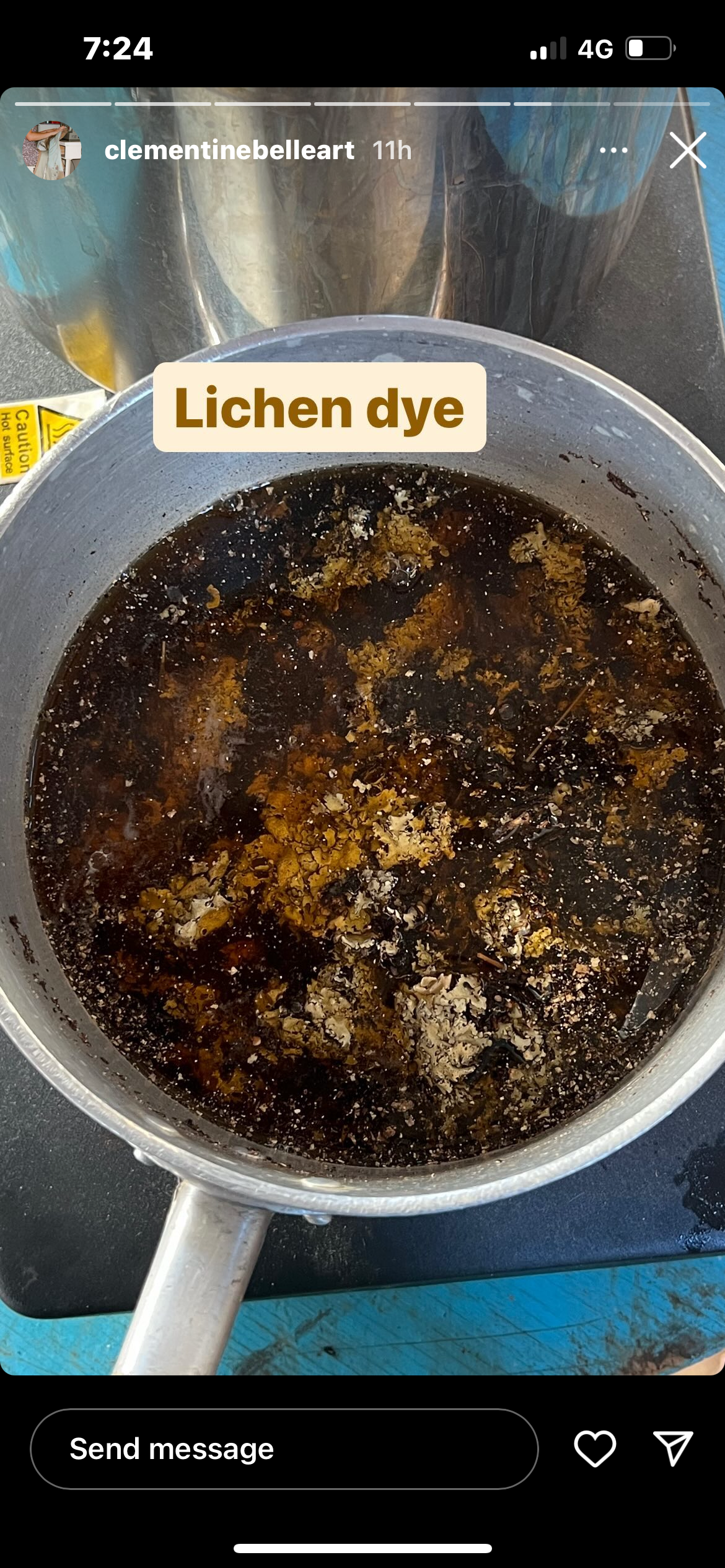
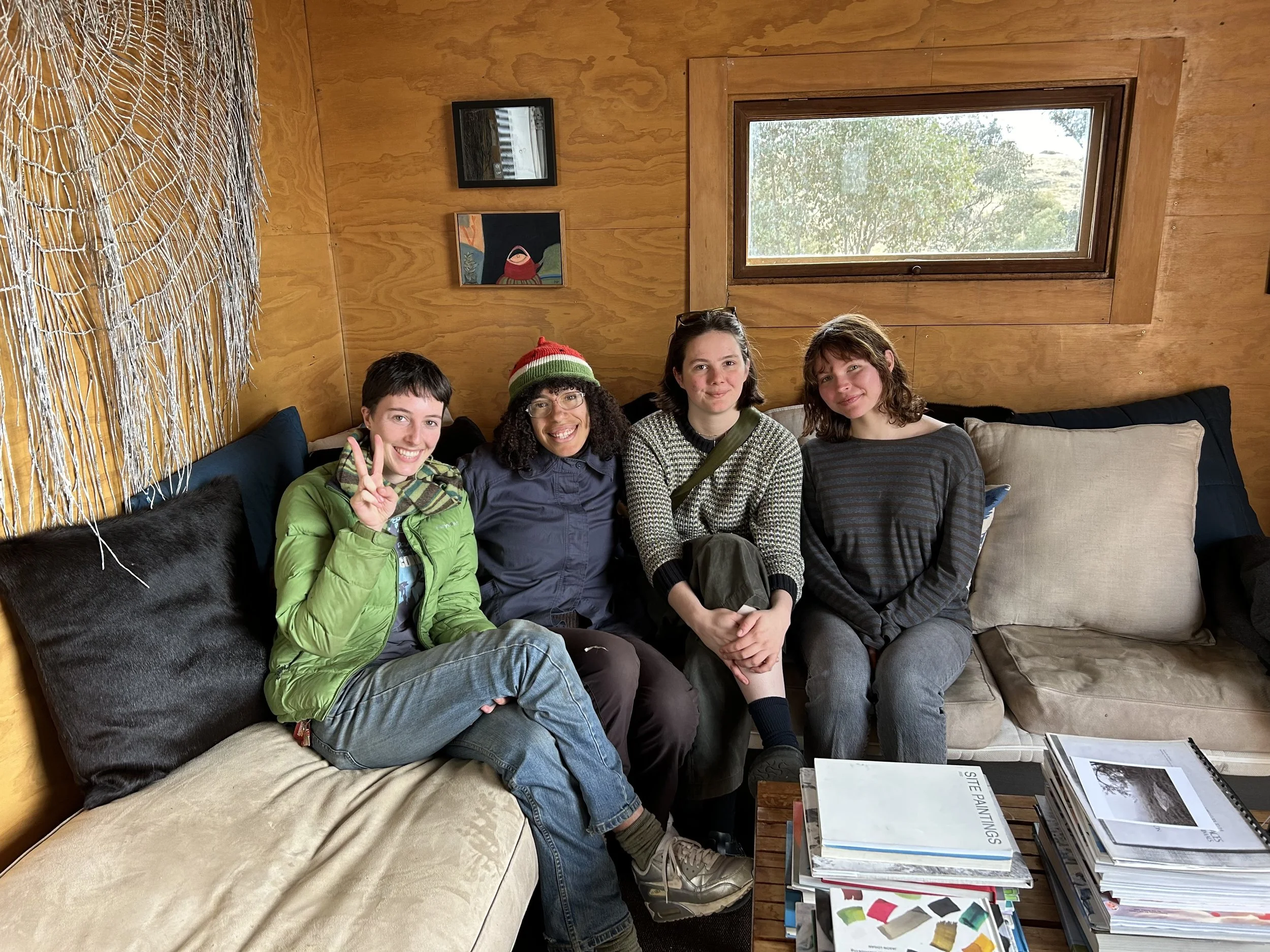
TCPAiR - artist-in-residence visual artists National Art School alumni—Emily Ebbs, Clementine Belle, Lauren O’Connor, and Bronte Leighton Dore, recently embarked on a transformative two-week residency. These early career artists explored the environment and experimented with a range of mediums, from traditional painting, drawing and sculpture to innovative techniques such as dye making and staining with locally sourced organic matter. This residency served as a fertile ground for an exchange of peer-to-peer and industry insights, enabling collaboration that strengthened individual artistic practice.
The residency received an unexpected infusion of creative energy with the arrival of UK artist Tyga Helme find out more HERE. Tyga’s presence sparked enriching conversations about artistic practices across borders, prompting a deeper exploration of residency opportunities and studio methodologies.
EMILY EBBS, CLEMENTINE BELLE, LAUREN O’CONNOR, BRONTE LEIGHTON DORE
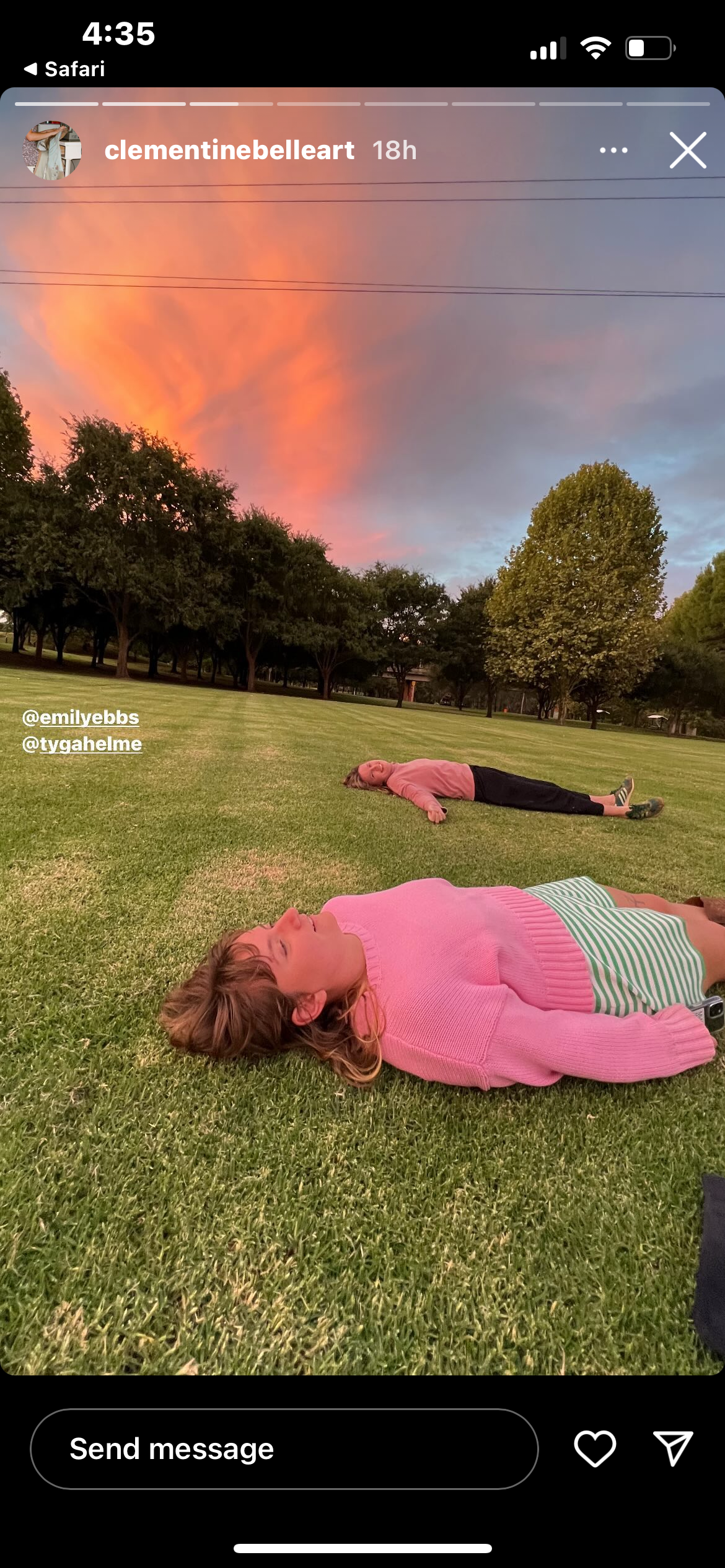
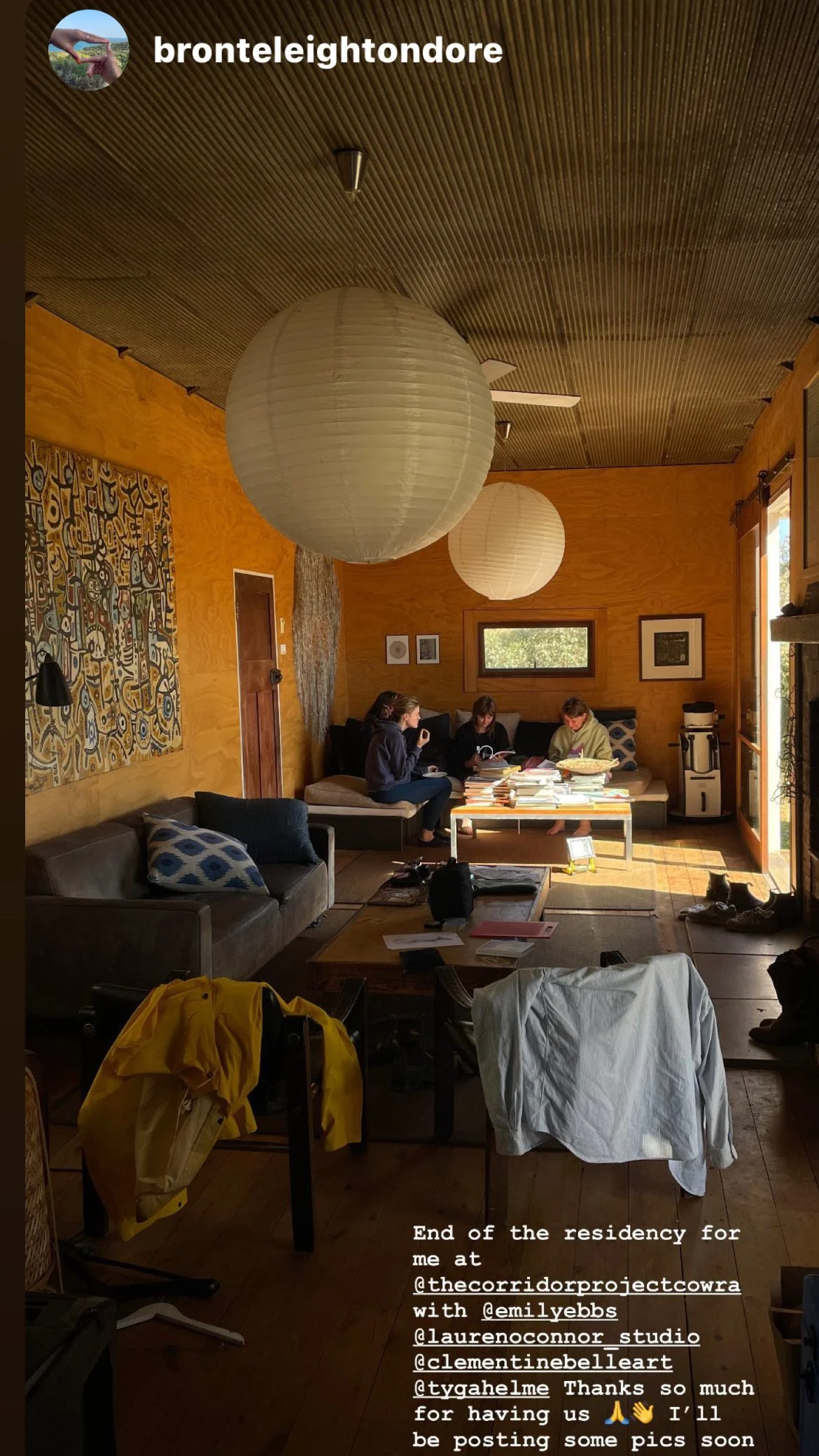
Testimonials
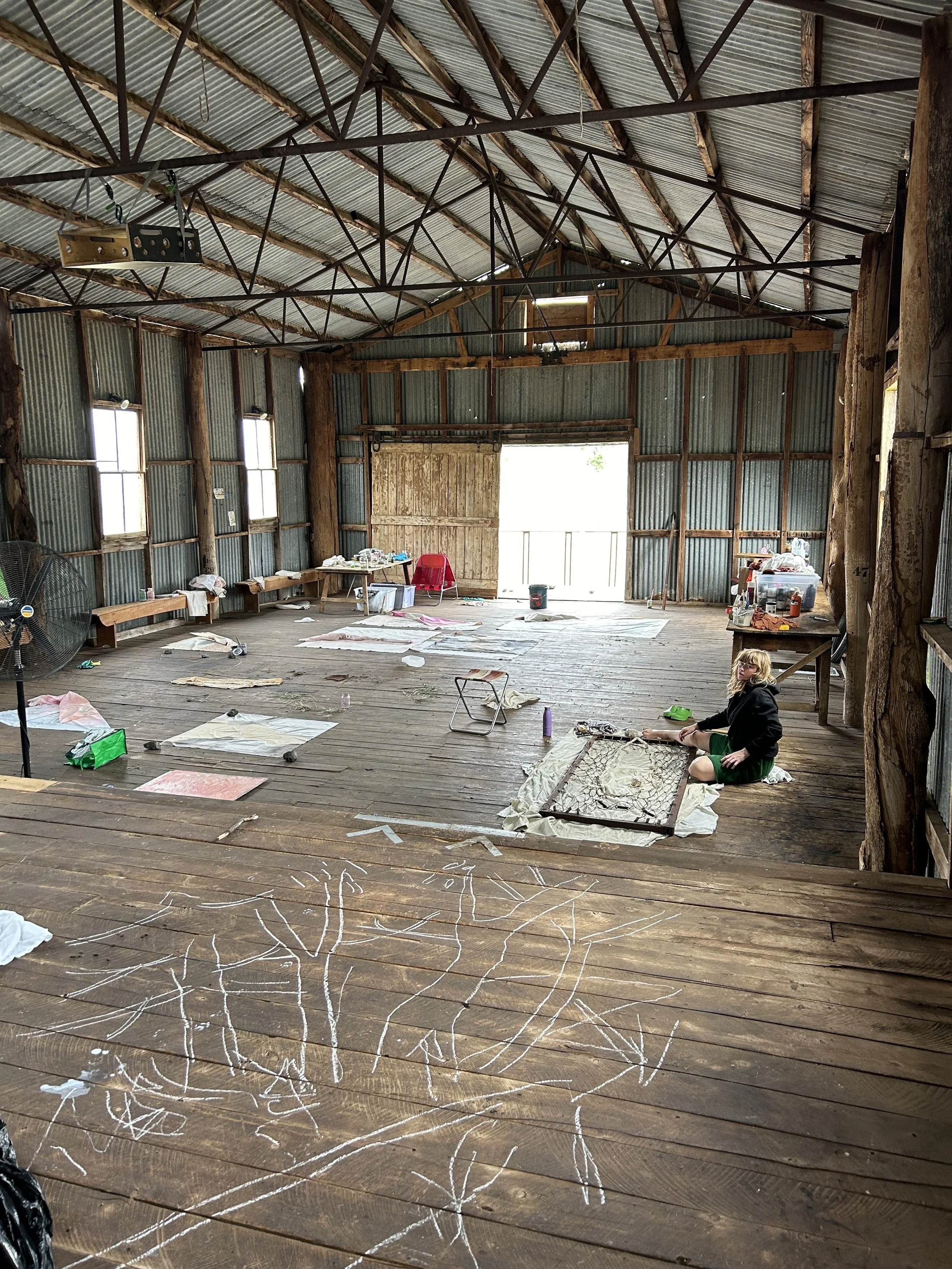
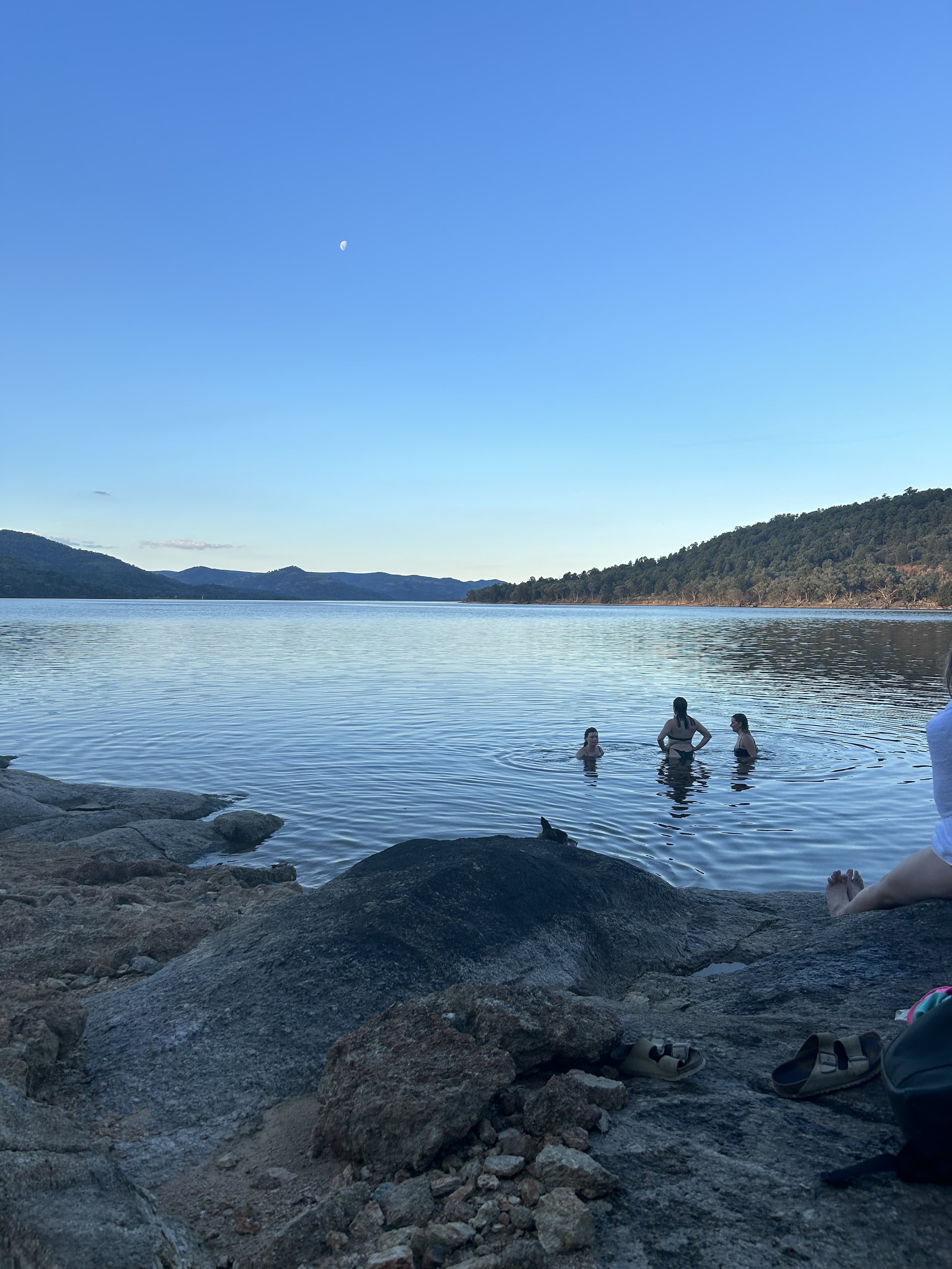
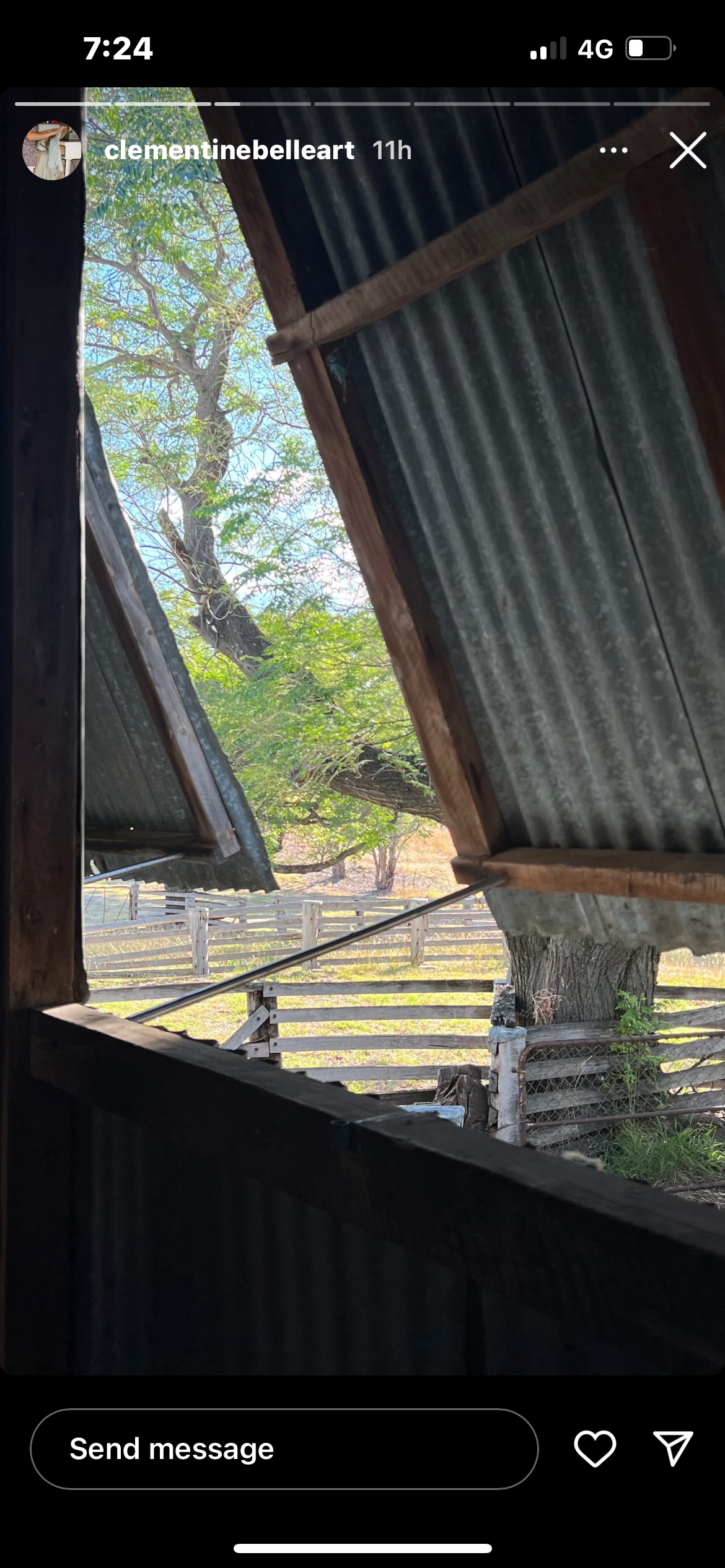
“Moments of silence filled with noise. The caw of cockatoos, rhythmic pulse of cicadas, crickets and frogs, the howl of the wind and rattle of rain on old tin. The Corridor Project is situated among the grass lands and hills of Wiradjuri country. The Lachlan river spills out below you. The panoramic views hit you with a sense of awe. The Corridor project provides the comforts of home while being immersed in the landscape. With the big old wool-shed studio set up to respond and explore your practice. Phoebe was a great host and made our time at the Corridor project very fruitful and fun. It was also great to explore the town of Cowra. I look forward to coming back and to deepen my connection to this land.”
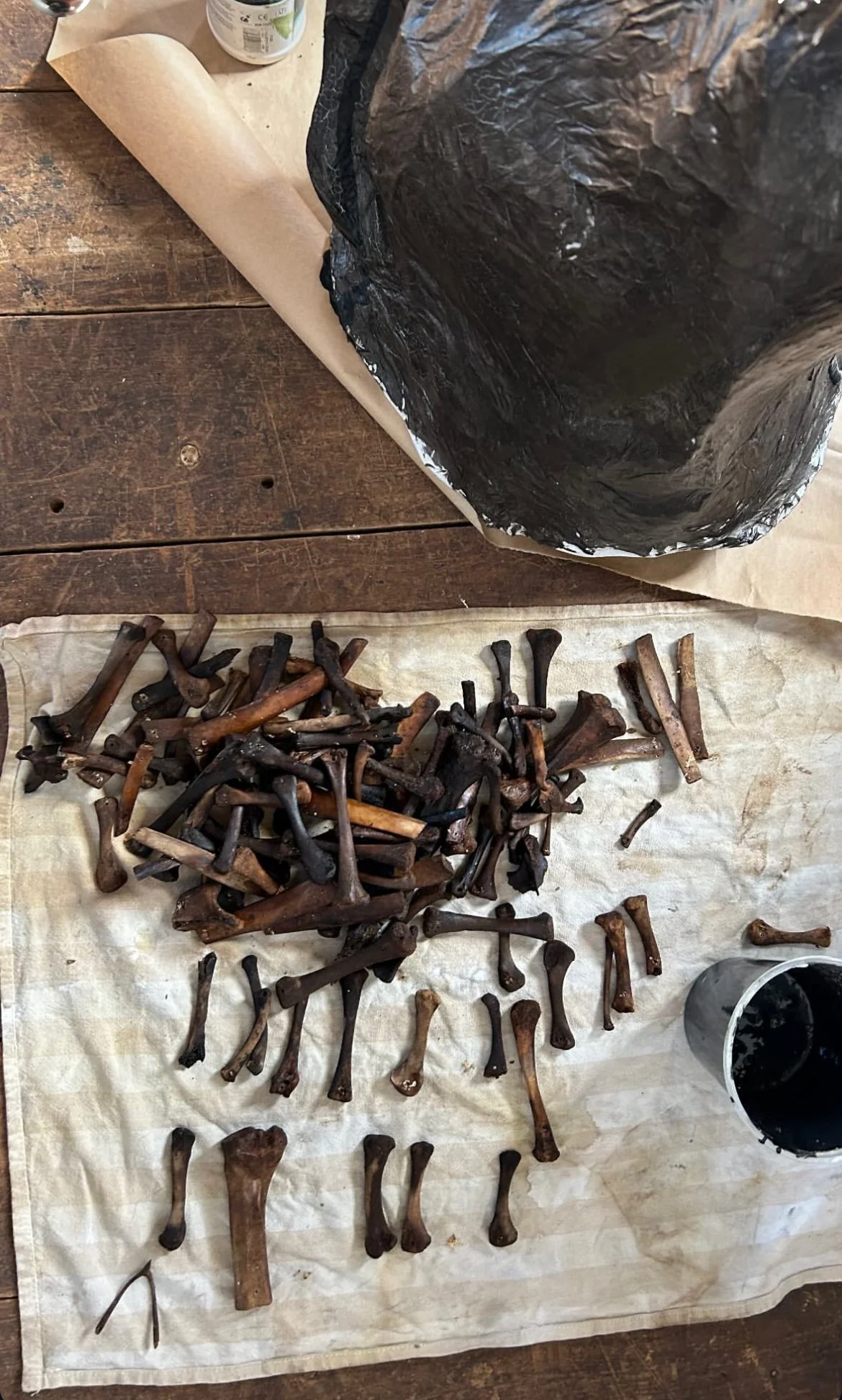
“The Corridor Project was such an enriching residency. It enabled me to delve into my practice and experiment with new ways of making. The residency’s close proximity to the natural environment offered the opportunity to use natural dying techniques with matter found around the property. The enormous wool shed offered an inspiring space to create in and allowed me to be ambitious with the scale of my work. The chance to collaborate with the other artists on residency was beneficial and important to everyone’s experience at the residency and allowed us to learn from each other’s practices. I would love to come back to this residency to further the development of my practice and further explore the natural landscape that surrounds.”
“The Corridor Project has been an incredibly rewarding experience. As a rural emerging artist, this residency provided me the invaluable opportunity to collaborate with fellow metropolitan and/or overseas creatives whilst delving into my site-specific art-making practice. The woolshed studio became a haven for exchanging and sharing ideas, methods and observations learnt at The Corridor or from afar. The enveloping environment encouraged me to reconnect to my practice of plein air drawing whilst developing my site-specific art making methods in plant-based dyeing/staining and nonhuman collaborative mark-making on cloth. Experiences here and work developed during my two week stay will be informative for years to come. ”
“Thankyou for everything! The last couple of weeks have been so inspiring and restful for me, just what I needed to get my creative proactive up and going again after a big show opening. What you’re doing here is so valuable and its a privilege to have been event a small part of it. All the best to you nad your community. I hope to visit again in the future”

About the program + ARTISTS
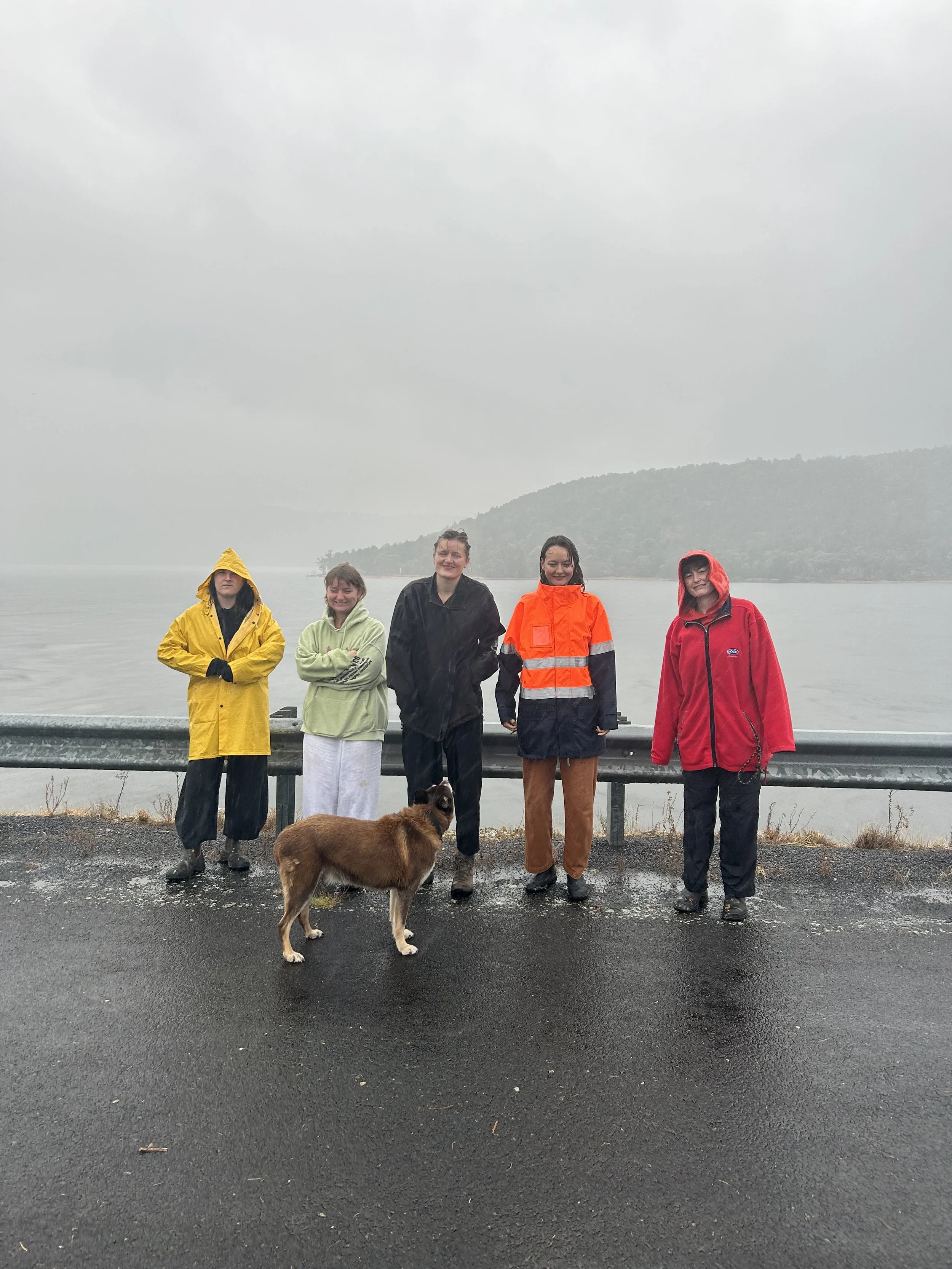
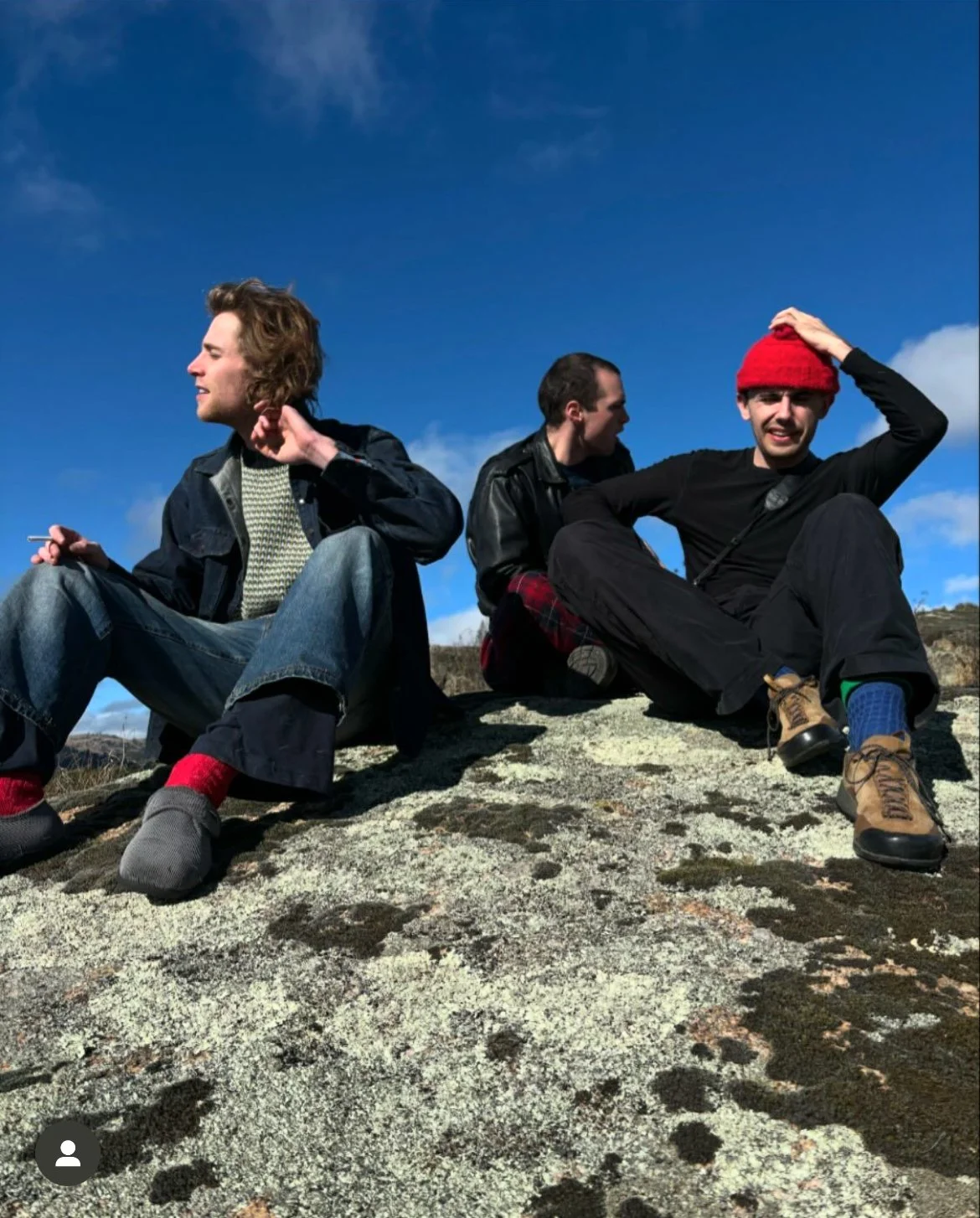
Creative Hum over the past week at TCPAiR with a group of inspirational early career multi-disciplinary artists involving current National Art School students and alumni. The group ideated and developed individual and collaborative new work to be part of a group exhibition titled ‘Reception Rock’ curated by Anja Gower on August 1st in Paddington, Sydney….so much joy radiating from this cohort.





TESTIMONIALS
“I had felt very detached to my from my practice and my creative path for the last 6 months of my life. I felt as if a certain candle that I thought was gonna last forever in me had started to dim. To be able to decompress from the city and routine in such a rich and strong creative place made me feel utterly rewired. The connection to land and those around you while you inhabit this place is so meaningful and undeniable. I feel exceedingly honoured to have been invited to such a special part of the world. Phoebe, Dylan and Anja have given me the opportunity to have the time and space to decompress and re-establish my artistic practice and clear the sky above to reveal the guiding light that I had lost 6 months ago when I finished university. For that I am so immensely grateful.”
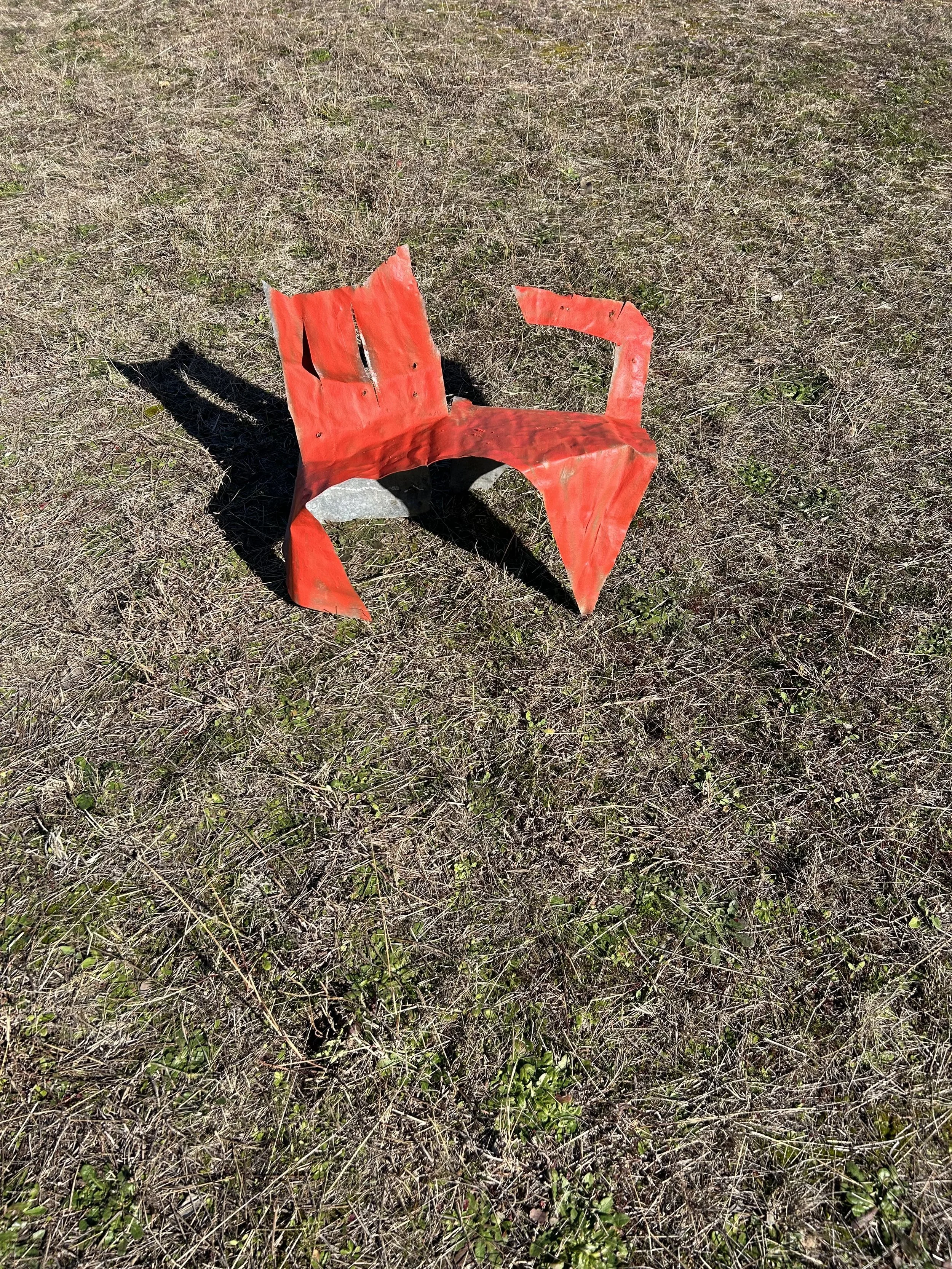
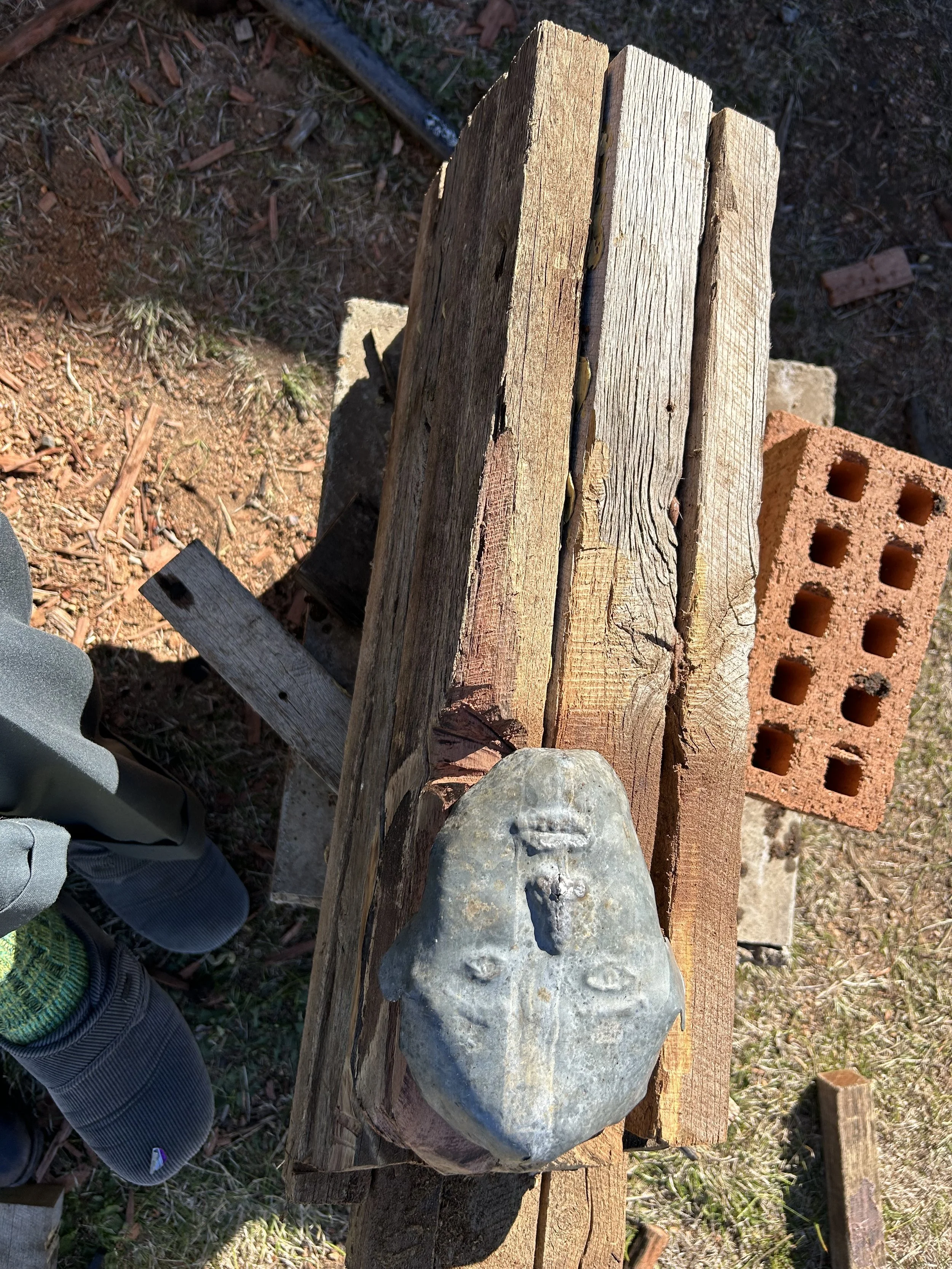
“The Corridor Project allowed me to slow down, I don’t feel like I need to be anywhere. I went into the residency thinking I was going to be painting but the more I tried the less motivated I became. I decided to walk around and find things to play with. I ended up making some faces out of tin. This trip allowed me to take a second to realise that I need to be playful and have more fun with my practice. I will continue to work on this in Sydney. ”
“Getting the chance to dive into making, thinking and getting a breather away from city life with the support of The Corridor Project has been so special. The energy of the property and the beauty of Wiradjuri country and river has been amazing to be immersed in and inspired by. Being able to use some site-specific materials like old tin, bed springs and wire that have a real connection to the history of the property was really interesting and challenging. Throughout the trip I worked with metal for the first time, something I have been interested in doing for years. I am so thankful to have had this opportunity, to meet and bond with the rest of the people here and learn new skills and language that will stay with me going forward.”
“Spending time at The Corridor Project has been more than inspiring. Waking up on the first morning after the rain was one of the most beautiful views I have ever seen! Rolling hills with scattered boulders covered in bright green moss and lichen. It has been a priceless experience to interact closely with the land and let it inform my practice. For me, learning about the local wildlife and plants was my favourite part.”
“I came to The Corridor Project with no intention or direction and found myself immersed in the expanse of all I hadn’t known in Sydney. In an urban landscape we’re caught up in imagery and replication. It felt hard to break from that. I tried to embrace incidents without making conclusions, using objects and readymade marks not by manufacture but by weathering time. Old wood, window, brick, tile, algae, feeling the landscape, walking around, letting it seep in - I feel honoured and grateful to have been here. ”
“A breath of fresh air is a phrase I’d use when it comes to describing the time I’ve spent with The Corridor Project. To be at The Corridor Project residency and work on the Wiradjuri land surrounding the space has been an opportunity that has both grown my appreciation and connection to the land greatly. In working in this space I have attained new skills and insights previously brushed aside when residing in the dense environment of Sydney’s inner city. Elements of play and experimentation were pushed to an exciting limit, encouraging new ways of working and previously unimagined uses of material. I am immensely greatful for this opportunity and excited to work on with these new elements of my practice.”
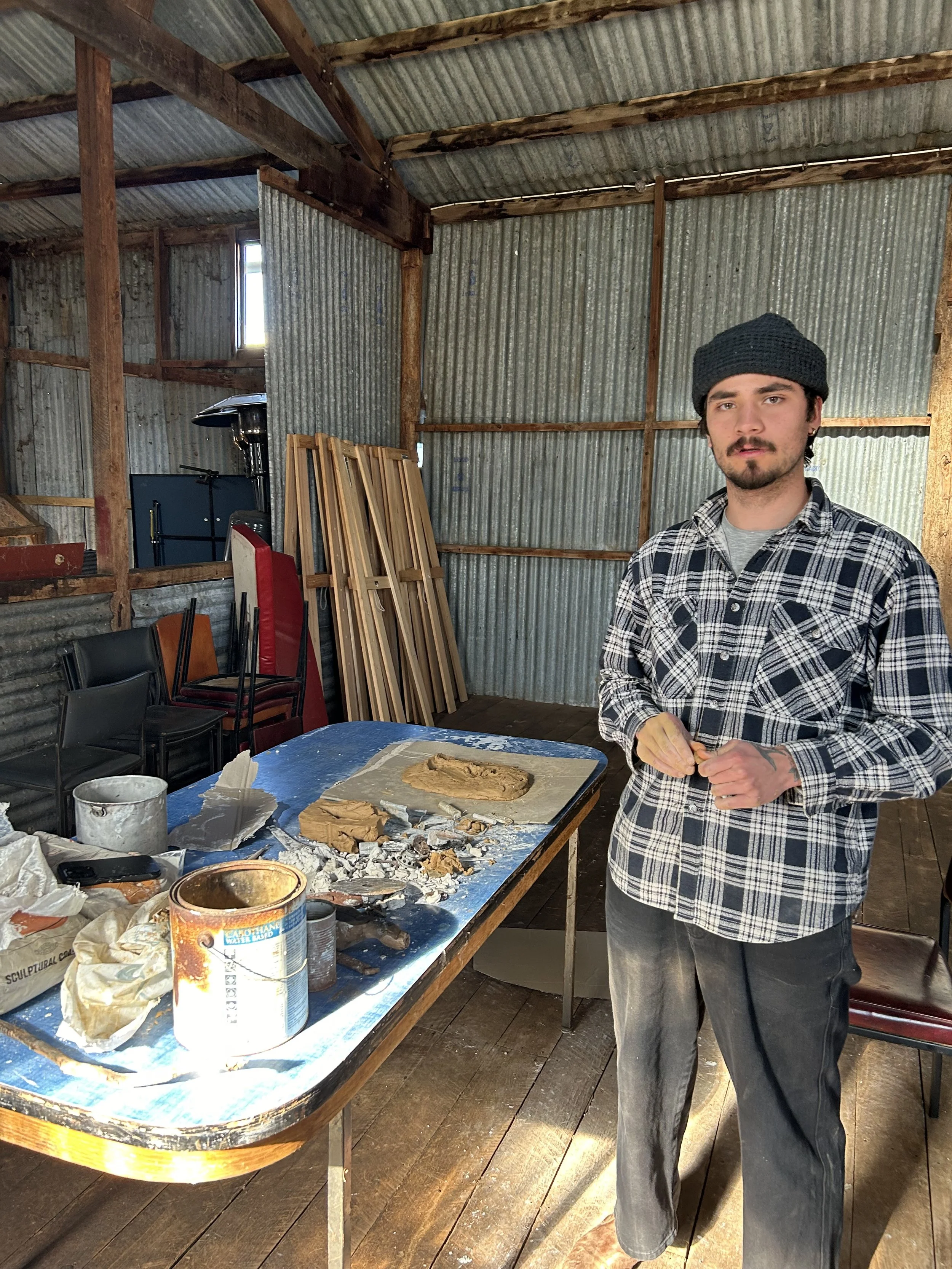
“The main focus I had on residency was exploring various methodologies that are central to the figure’s transition within a space. Initially working with subtle textures and formal qualities, the approach shifted towards utilising found materials sourced from a piggery located on the site, such as rusted nails and scrap tin, to incorporate line drawing. This process was driven by reflections on landscape and environment, where embossing these materials into clay allowed for the representation of natural and man-made objects within the terrain. I attempted to maintain an open-mindedness towards different artistic approaches and processes, embracing limitations posed by materials like clay and scrap metal. This reflective environment provided a counterpoint to the structured spaces found in urban settings, enriching the artistic exploration with diverse perspectives and tactile expressions.”